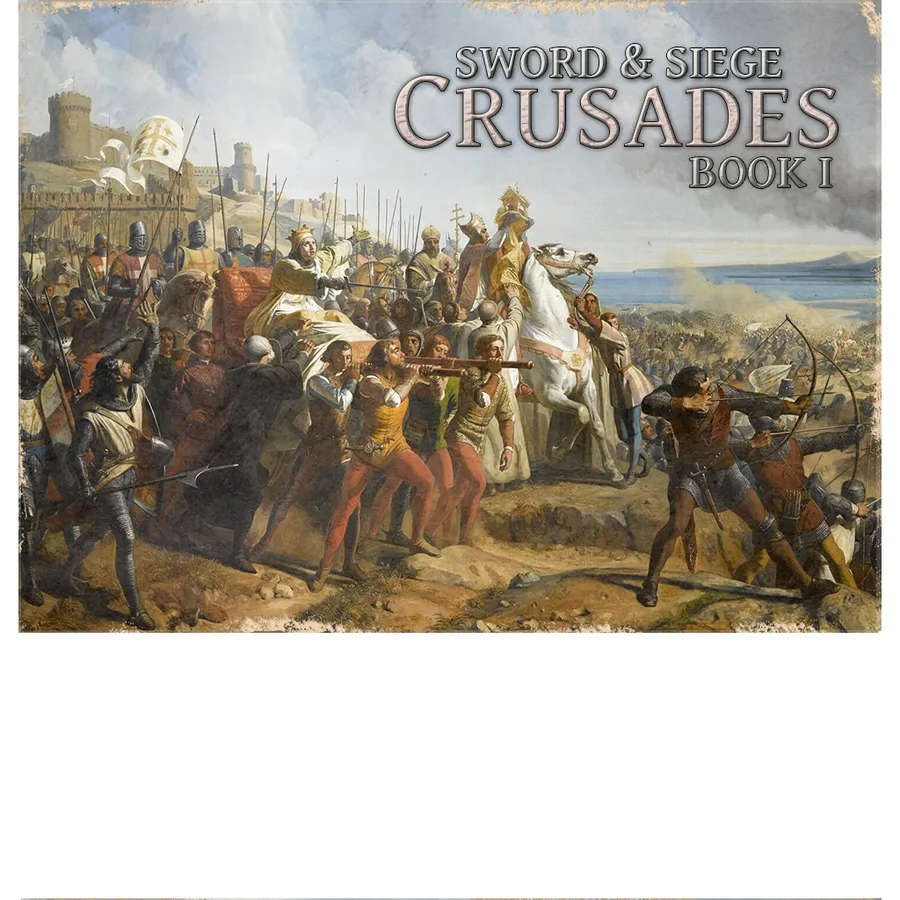
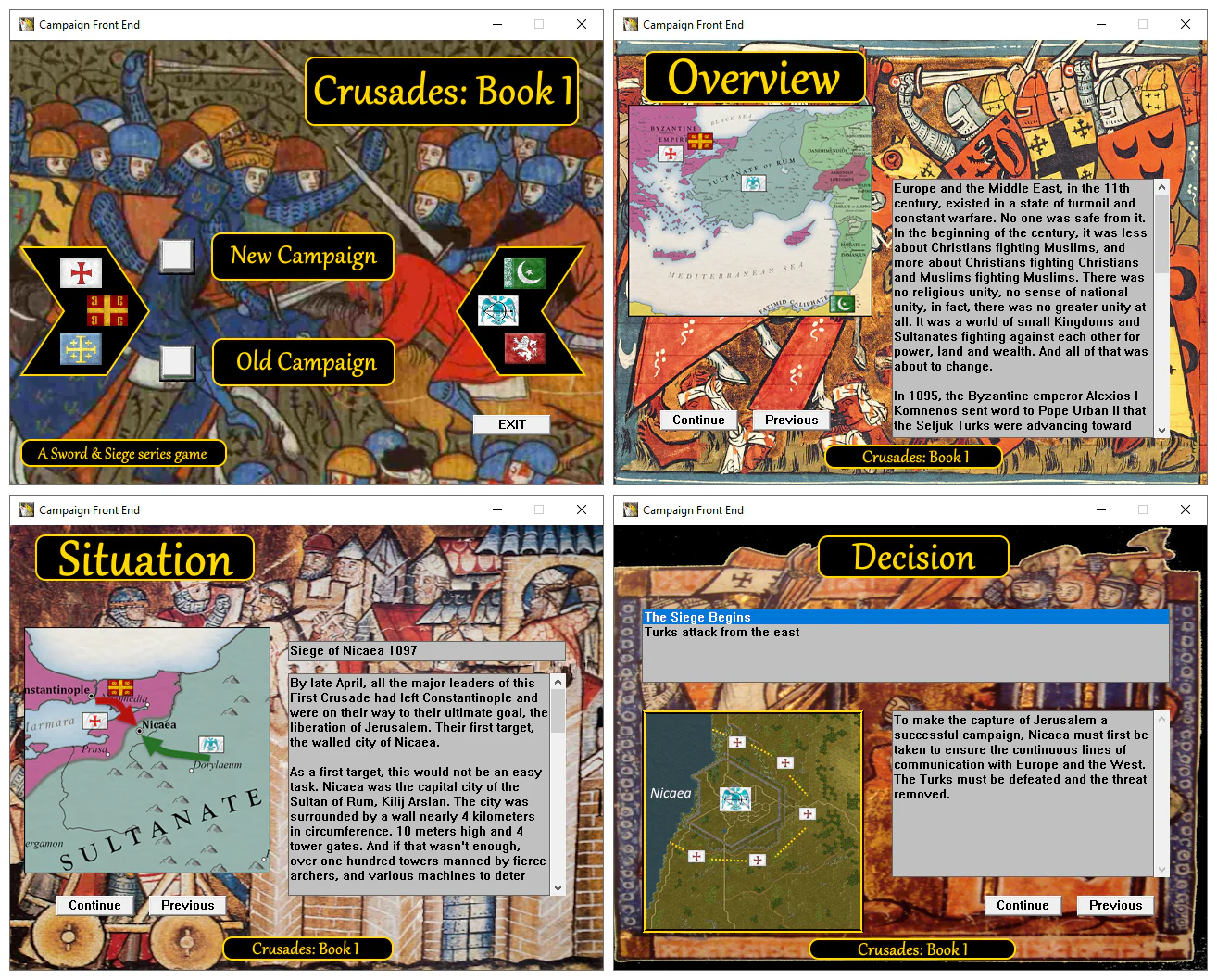
Crusades: Book I
Crusades: Book I begins with a call that turned a distant eastern war into a mass movement in the West. In 1095, Pope Urban II urged western Christians to take up arms for the East, responding in part to an appeal from the Byzantine emperor for help against Turkish expansion. Urban presented the expedition as an armed pilgrimage: a holy undertaking to aid fellow Christians and defend sacred places, with spiritual reward promised to those who “took the cross.” Preachers carried this message widely, and it spread fast because it spoke to more than faith alone. For the warrior class, it offered a sanctioned cause for fighting and a path to honor; for others, it offered a once-in-a-lifetime purpose—an escape from ordinary constraints, even at enormous cost and risk.
Recruiters also emphasized stories of Christian suffering and danger on the routes to the Holy Places: pilgrims threatened, communities attacked, holy sites defiled. Travel in the region could indeed be perilous, but the most dramatic claims were often sharpened by rumor and repetition. The point was less precise reporting than urgency—turning a complex frontier reality into a clear moral call to action.
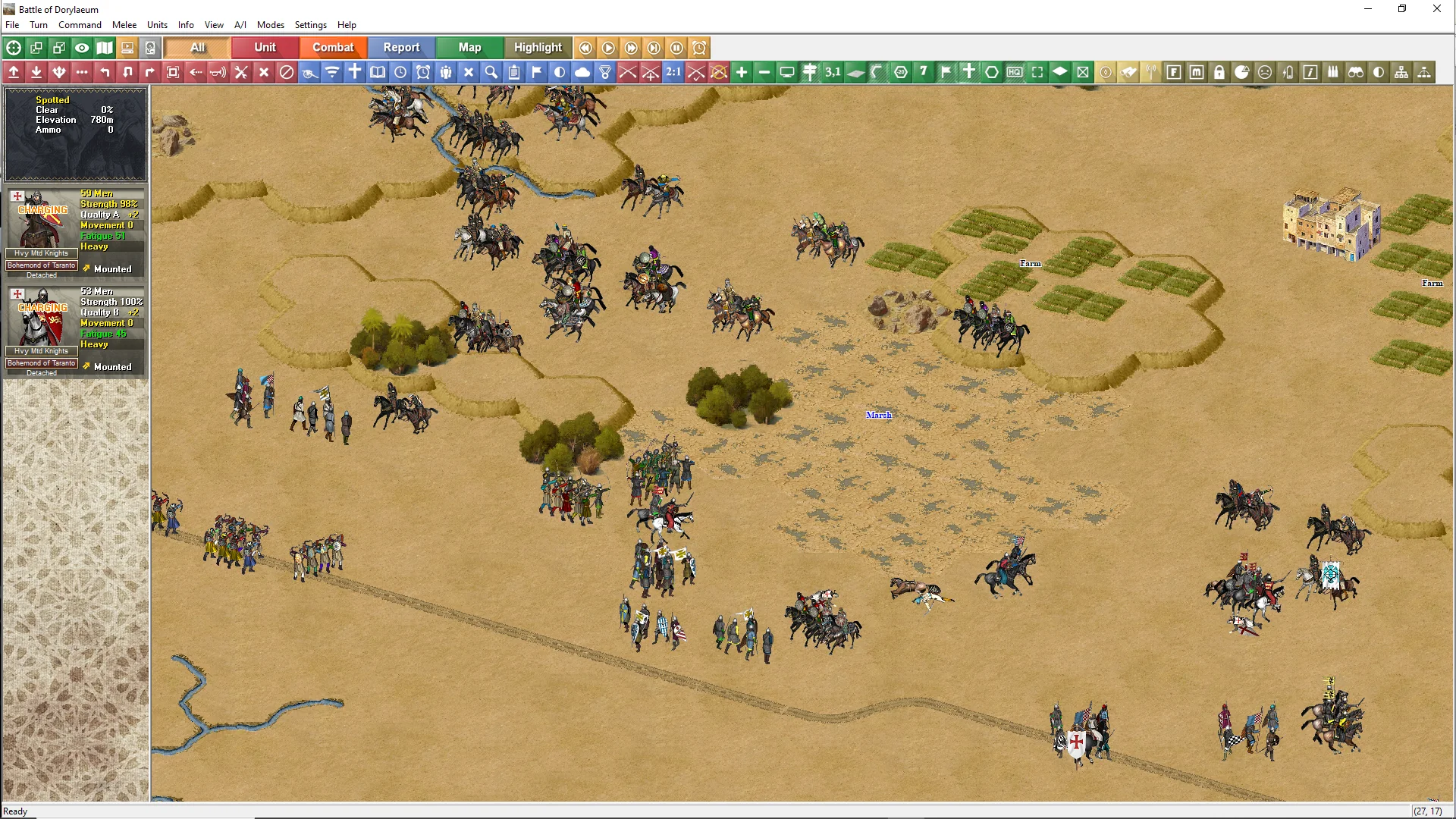
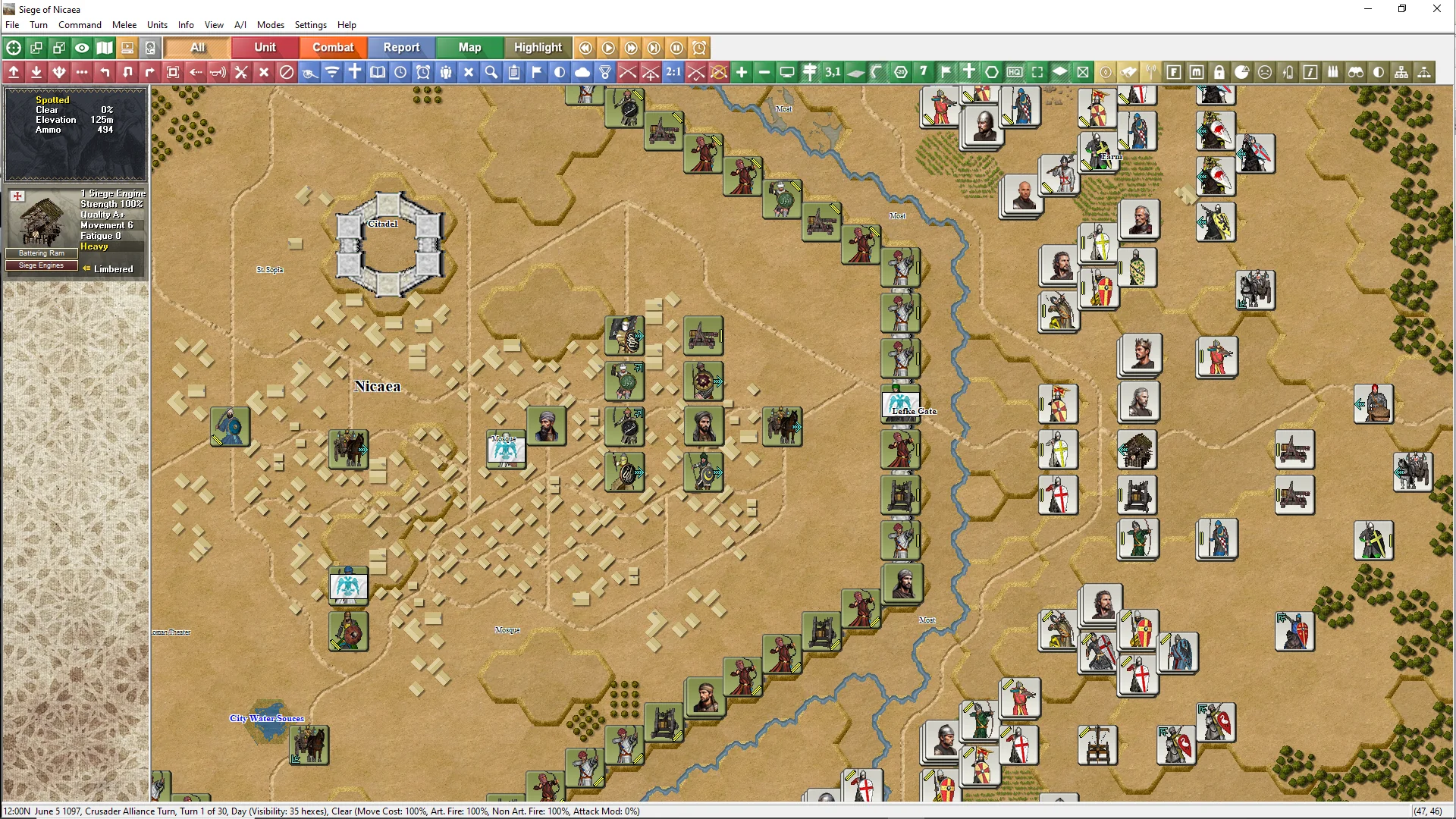
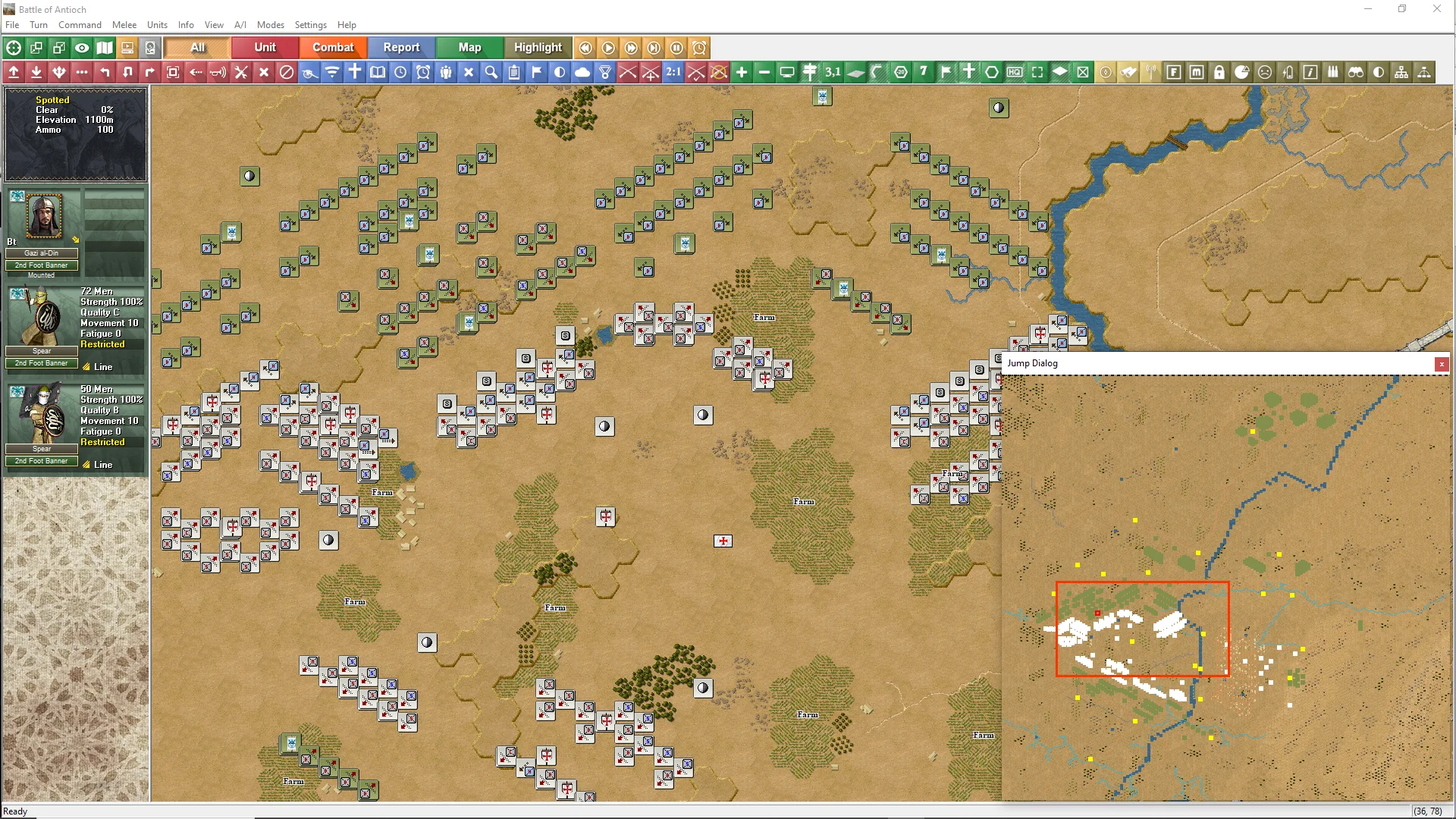
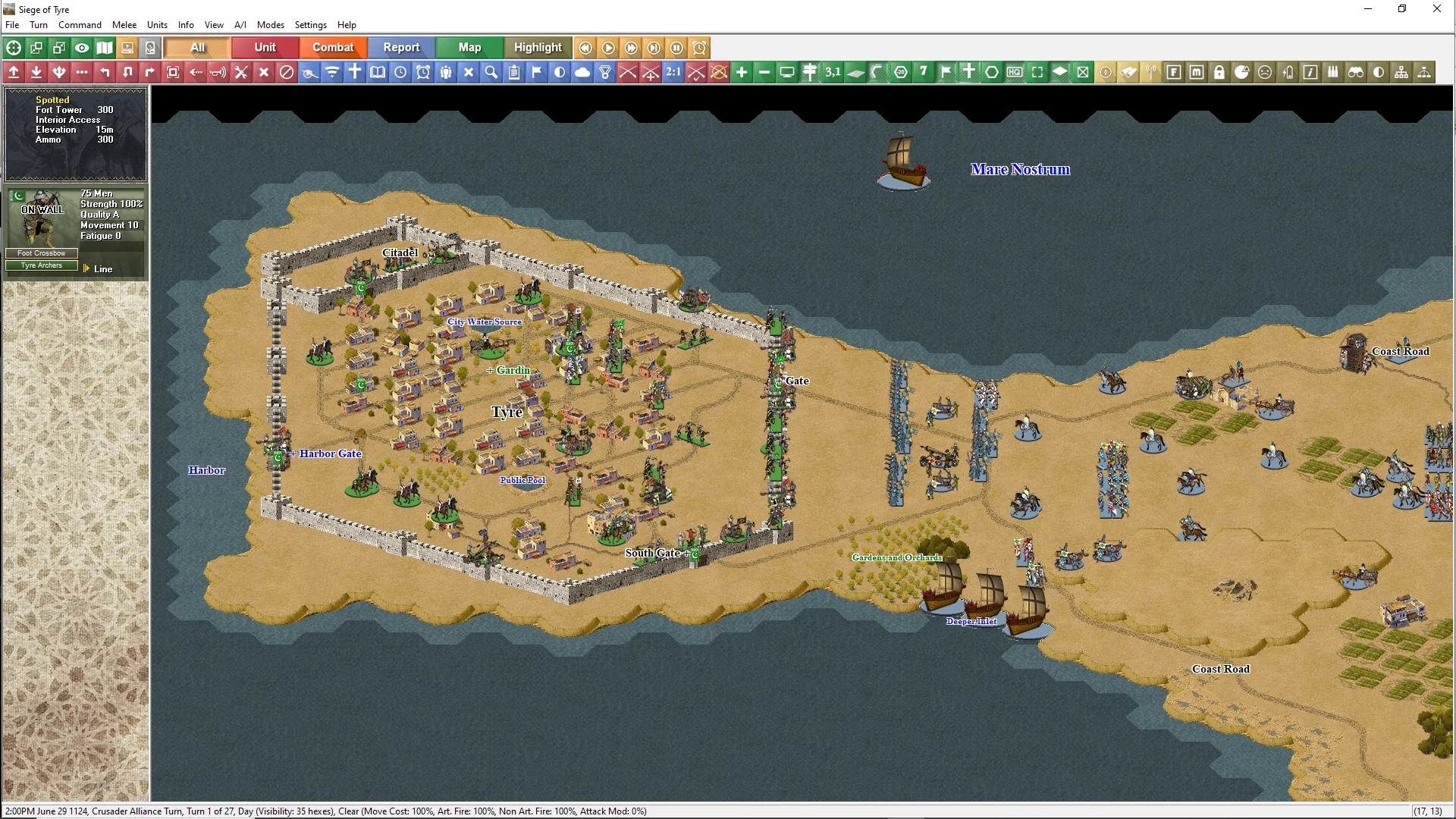
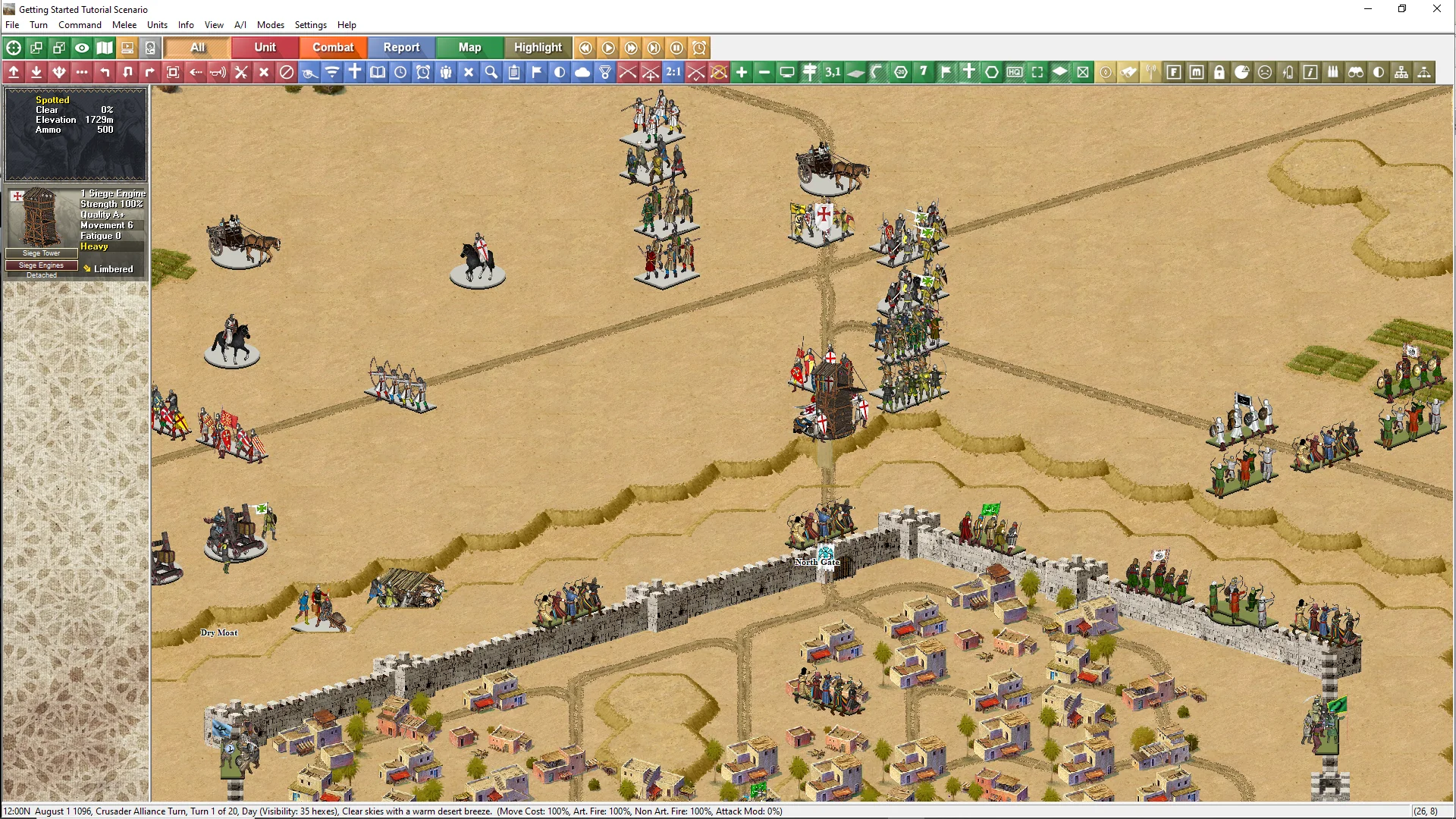
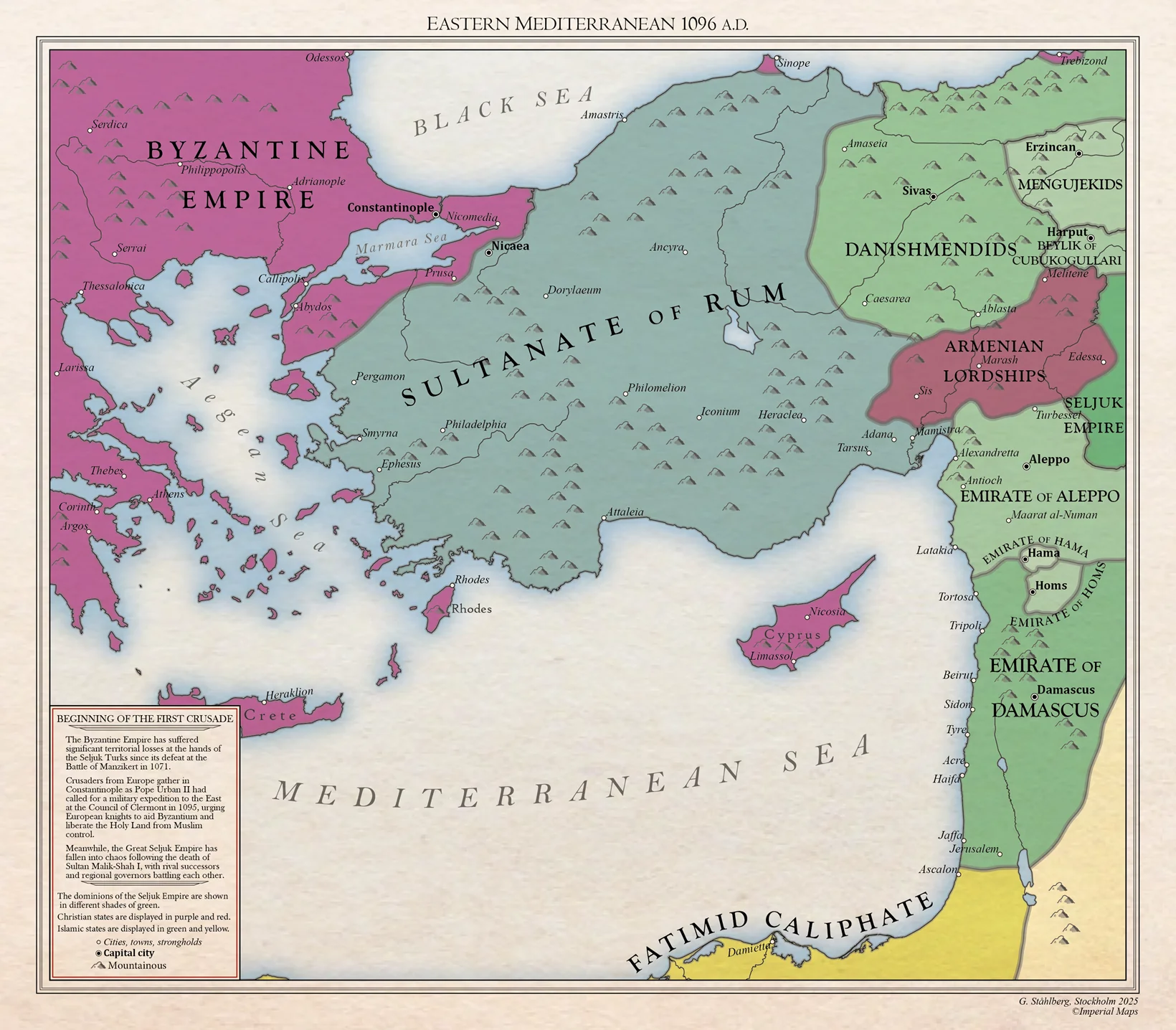
Once on the move, the crusaders quickly learned that the decisive struggles would be over cities, fortresses, and supplies. After a punishing crossing of Anatolia, the host entered northern Syria and became locked into one of the defining operations of the age: the siege of Antioch (1097–1098). The city’s fall was only the first shock. The crusaders then had to survive a counter-siege and fight their way clear—an enduring pattern of crusader warfare: take a major objective, then defeat the relief force that tries to undo it. From Antioch, the crusade turned south, and in July 1099, Jerusalem fell after a brutal assault, followed soon after by victory at Ascalon, which helped secure the immediate gains.
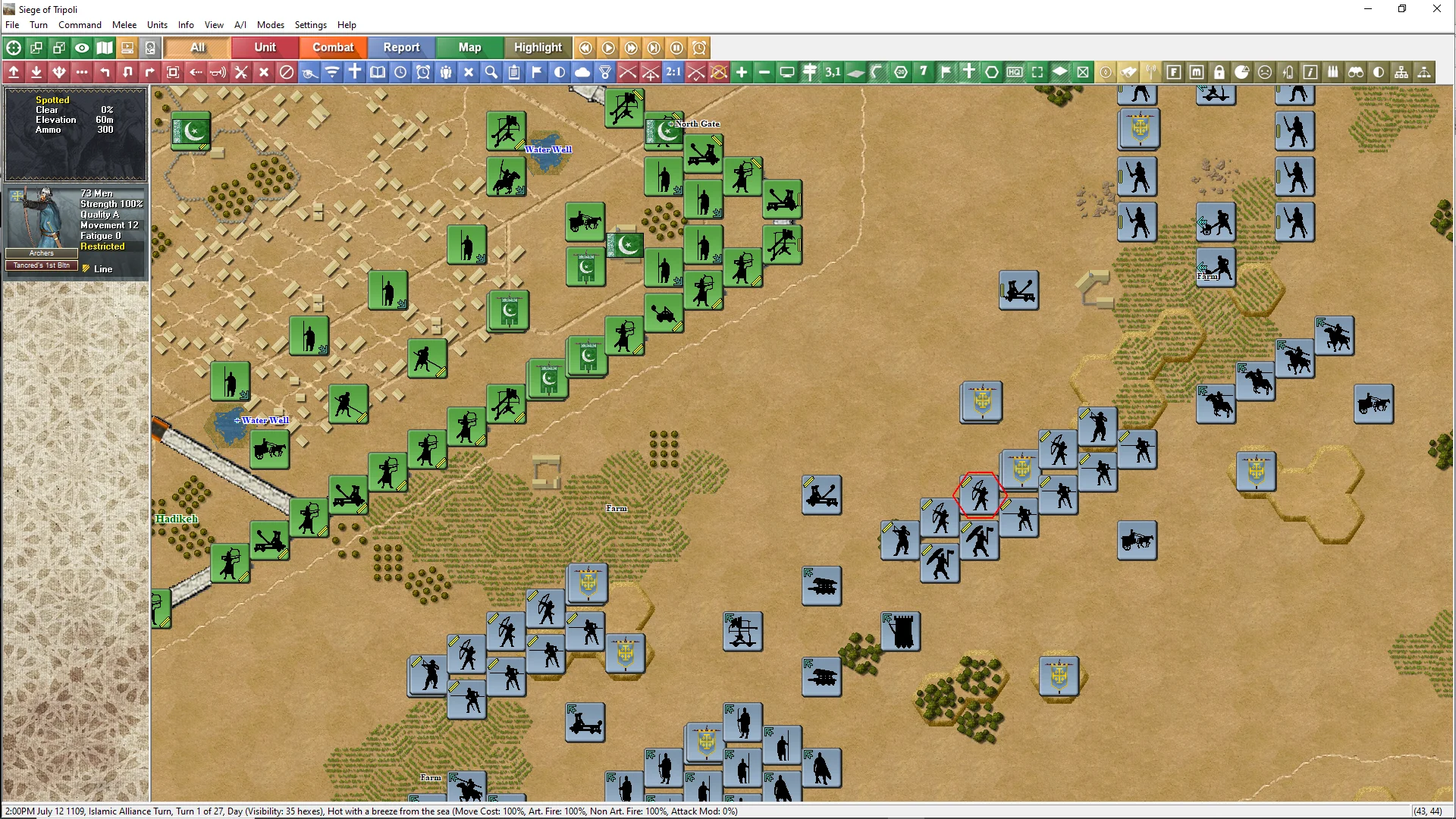
Out of those victories came the Latin states of Outremer: the Kingdom of Jerusalem and the northern principalities and counties that guarded the approaches into Syria and Mesopotamia. They were never spacious realms. They were chains of towns, ports, and castles linked by a few vital roads and sea lanes, held by a narrow ruling class and defended by a fortress strategy meant to compensate for chronic manpower shortages. The sea mattered enormously: ports enabled supply and reinforcement, and coastal control could be sustained even when inland campaigning stalled. Inland dominance was harder to achieve because it required field armies and garrisons year after year.
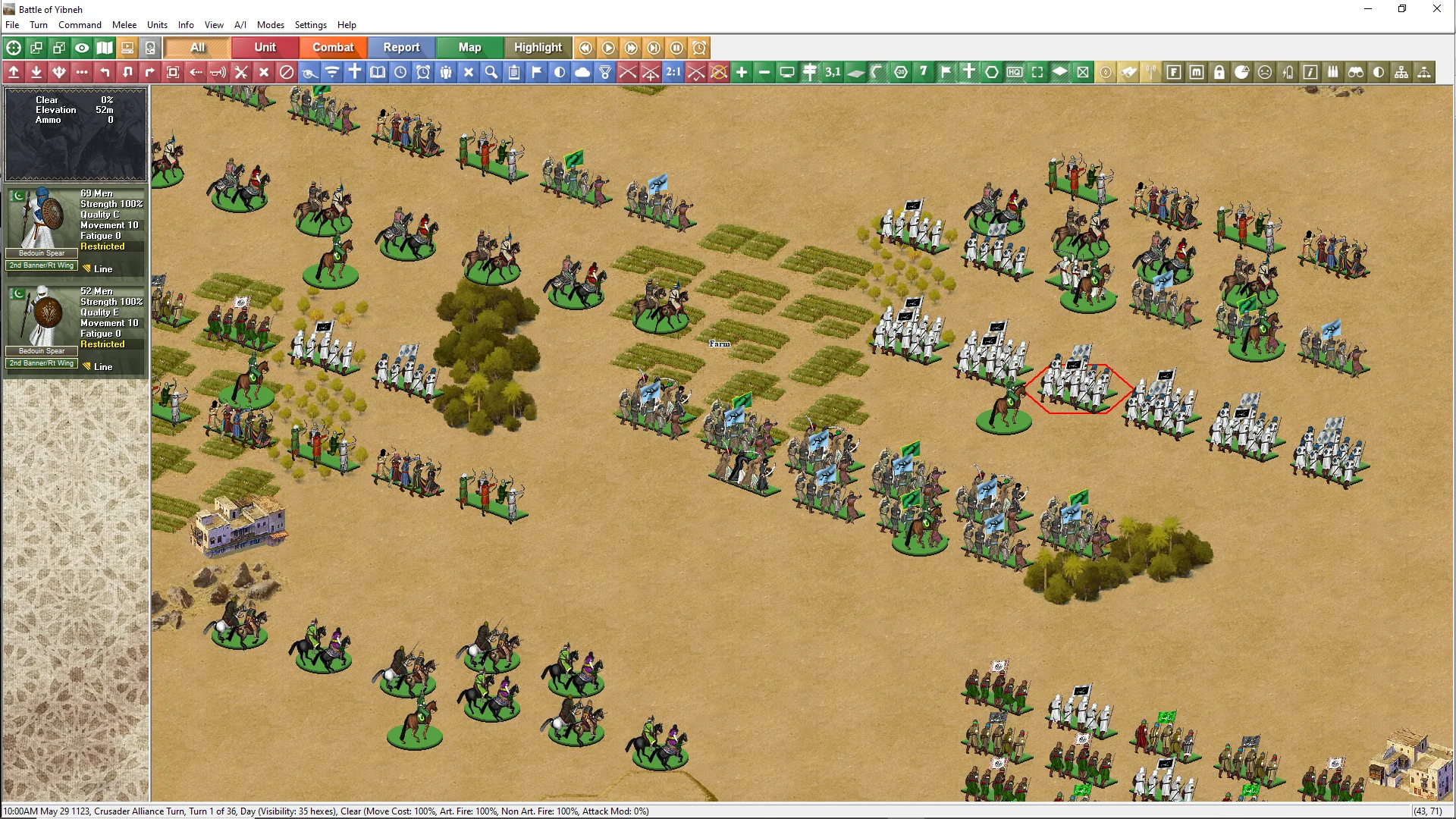
The period between the First and Second Crusades was more of a continuous frontier war than a single crusade. Raids, ambushes, relief marches, and sieges were common. The Latin states struggled with too few men to garrison all areas and too many threats to ignore. A defeat could devastate a region, a lost fortress could open a path, and a delayed relief could doom a town. Geography dictated operations, with control of passes, bridges, ridges, or road junctions determining whether a strongpoint held or surrendered.
Over time, the strategic balance began to tilt as Muslim power in Syria and northern Mesopotamia found more consistent leadership. Instead of many rivals pulling in different directions, stronger rulers could concentrate force, choose when and where to fight, and apply pressure across multiple fronts. Zengi exploited exposed positions to strike where the frontier was thinnest. In 1144, Edessa—the most vulnerable of the crusader states—fell after a siege. The loss mattered operationally: it weakened the northern screen and signaled that the era of easy expansion was over.
That shock triggered the Second Crusade (1147–1149), the first crusade led by reigning western monarchs. Prestige and expectation were immense, but the march east exposed the constraints that always haunted expeditionary warfare: distance, terrain, and supply could ruin an army before it ever reached the main theater. Parts of the crusading forces suffered heavy setbacks in Anatolia and arrived in the Levant diminished and exhausted. Once there, the campaign narrowed to a single bold operation intended to deliver a decisive result.
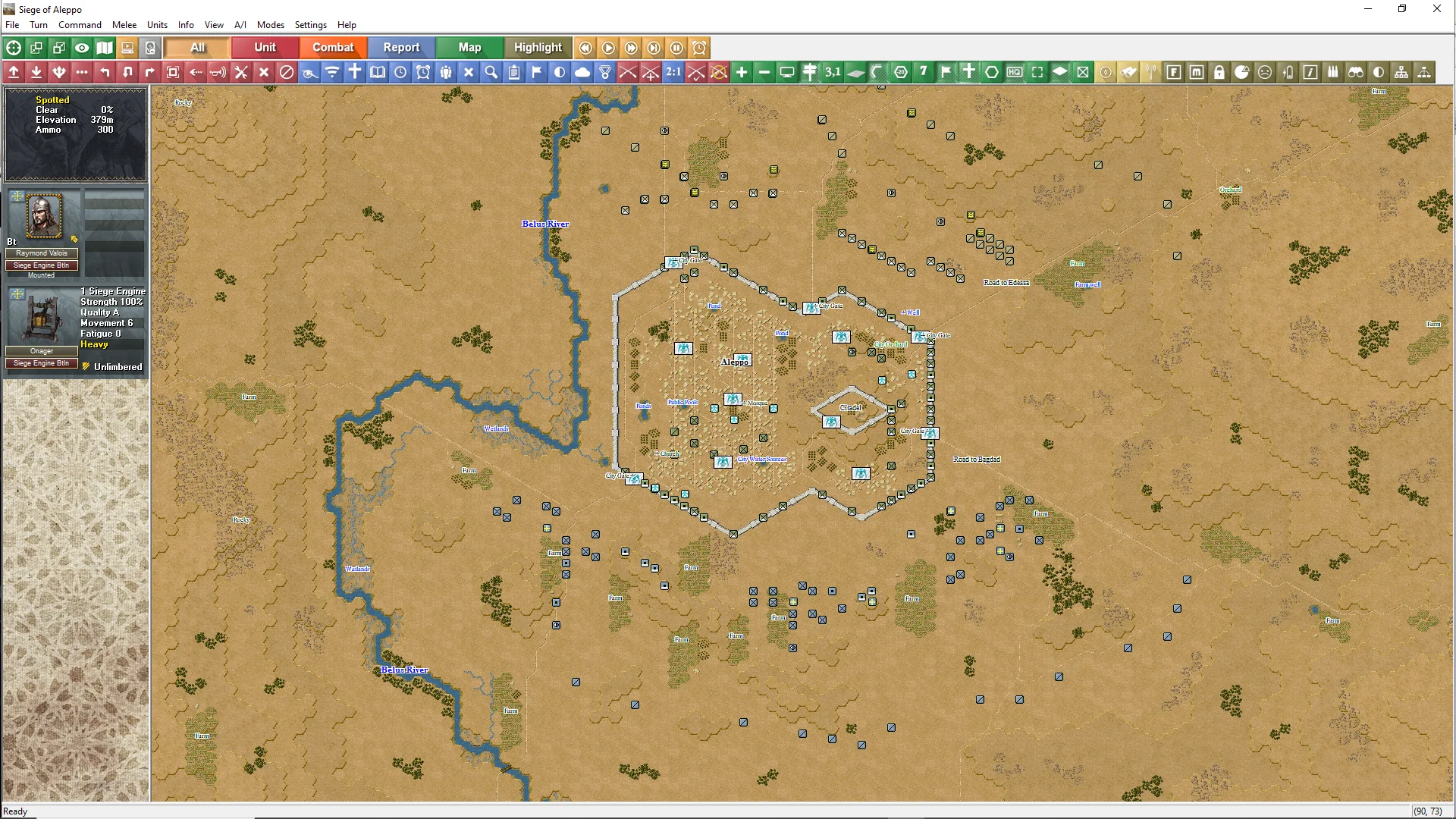
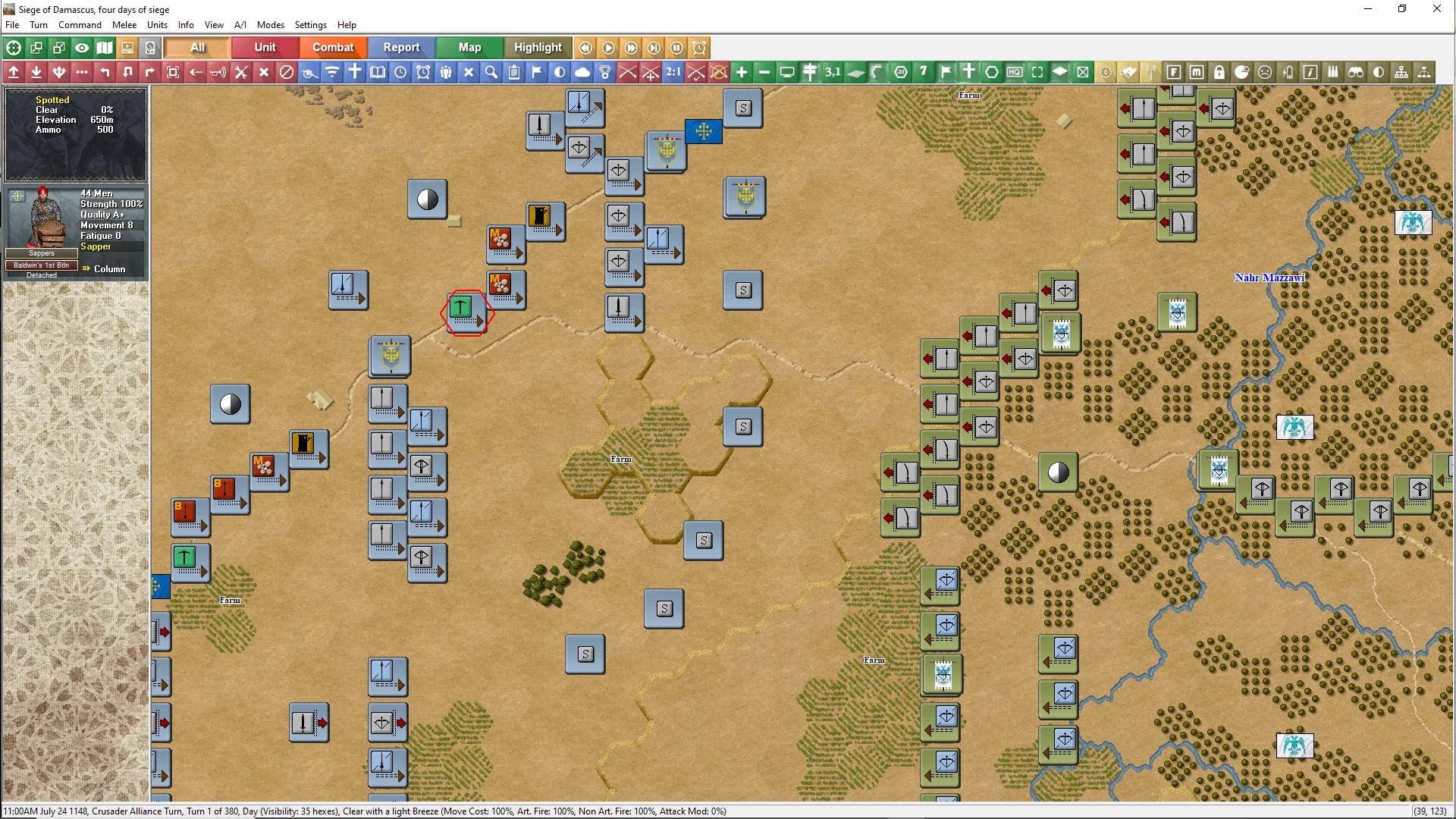
That choice led to the climax of “Crusades: Book I”: the 1148 siege of Damascus. Strategically important, Damascus threatened Jerusalem’s north, was valuable enough for a major gain, and was contested enough to tempt a high-risk strike. However, the operation failed quickly. After a few days of fighting, shifting positions, and worsening supplies, the crusaders abandoned the siege and withdrew. This failure highlighted the limits of Crusader intervention under unfavorable conditions and revealed that the Latin states’ survival depended more on holding key places, contesting vital routes, and enduring repeated campaigns against increasingly coordinated opponents.
"Crusades: Book I" covers that full arc—from the explosive launch of the First Crusade, through the creation and defense of the Latin states, to the rising counterpressure that culminates outside Damascus. It is an era in which battles and sieges decide not only who holds a city today, but also whether an entire frontier still exists tomorrow.
Original: $29.95
-70%$29.95
$8.98Product Information
Product Information
Shipping & Returns
Shipping & Returns
Description
Crusades: Book I begins with a call that turned a distant eastern war into a mass movement in the West. In 1095, Pope Urban II urged western Christians to take up arms for the East, responding in part to an appeal from the Byzantine emperor for help against Turkish expansion. Urban presented the expedition as an armed pilgrimage: a holy undertaking to aid fellow Christians and defend sacred places, with spiritual reward promised to those who “took the cross.” Preachers carried this message widely, and it spread fast because it spoke to more than faith alone. For the warrior class, it offered a sanctioned cause for fighting and a path to honor; for others, it offered a once-in-a-lifetime purpose—an escape from ordinary constraints, even at enormous cost and risk.
Recruiters also emphasized stories of Christian suffering and danger on the routes to the Holy Places: pilgrims threatened, communities attacked, holy sites defiled. Travel in the region could indeed be perilous, but the most dramatic claims were often sharpened by rumor and repetition. The point was less precise reporting than urgency—turning a complex frontier reality into a clear moral call to action.
Once on the move, the crusaders quickly learned that the decisive struggles would be over cities, fortresses, and supplies. After a punishing crossing of Anatolia, the host entered northern Syria and became locked into one of the defining operations of the age: the siege of Antioch (1097–1098). The city’s fall was only the first shock. The crusaders then had to survive a counter-siege and fight their way clear—an enduring pattern of crusader warfare: take a major objective, then defeat the relief force that tries to undo it. From Antioch, the crusade turned south, and in July 1099, Jerusalem fell after a brutal assault, followed soon after by victory at Ascalon, which helped secure the immediate gains.
Out of those victories came the Latin states of Outremer: the Kingdom of Jerusalem and the northern principalities and counties that guarded the approaches into Syria and Mesopotamia. They were never spacious realms. They were chains of towns, ports, and castles linked by a few vital roads and sea lanes, held by a narrow ruling class and defended by a fortress strategy meant to compensate for chronic manpower shortages. The sea mattered enormously: ports enabled supply and reinforcement, and coastal control could be sustained even when inland campaigning stalled. Inland dominance was harder to achieve because it required field armies and garrisons year after year.
The period between the First and Second Crusades was more of a continuous frontier war than a single crusade. Raids, ambushes, relief marches, and sieges were common. The Latin states struggled with too few men to garrison all areas and too many threats to ignore. A defeat could devastate a region, a lost fortress could open a path, and a delayed relief could doom a town. Geography dictated operations, with control of passes, bridges, ridges, or road junctions determining whether a strongpoint held or surrendered.
Over time, the strategic balance began to tilt as Muslim power in Syria and northern Mesopotamia found more consistent leadership. Instead of many rivals pulling in different directions, stronger rulers could concentrate force, choose when and where to fight, and apply pressure across multiple fronts. Zengi exploited exposed positions to strike where the frontier was thinnest. In 1144, Edessa—the most vulnerable of the crusader states—fell after a siege. The loss mattered operationally: it weakened the northern screen and signaled that the era of easy expansion was over.
That shock triggered the Second Crusade (1147–1149), the first crusade led by reigning western monarchs. Prestige and expectation were immense, but the march east exposed the constraints that always haunted expeditionary warfare: distance, terrain, and supply could ruin an army before it ever reached the main theater. Parts of the crusading forces suffered heavy setbacks in Anatolia and arrived in the Levant diminished and exhausted. Once there, the campaign narrowed to a single bold operation intended to deliver a decisive result.
That choice led to the climax of “Crusades: Book I”: the 1148 siege of Damascus. Strategically important, Damascus threatened Jerusalem’s north, was valuable enough for a major gain, and was contested enough to tempt a high-risk strike. However, the operation failed quickly. After a few days of fighting, shifting positions, and worsening supplies, the crusaders abandoned the siege and withdrew. This failure highlighted the limits of Crusader intervention under unfavorable conditions and revealed that the Latin states’ survival depended more on holding key places, contesting vital routes, and enduring repeated campaigns against increasingly coordinated opponents.
"Crusades: Book I" covers that full arc—from the explosive launch of the First Crusade, through the creation and defense of the Latin states, to the rising counterpressure that culminates outside Damascus. It is an era in which battles and sieges decide not only who holds a city today, but also whether an entire frontier still exists tomorrow.