Poland '39
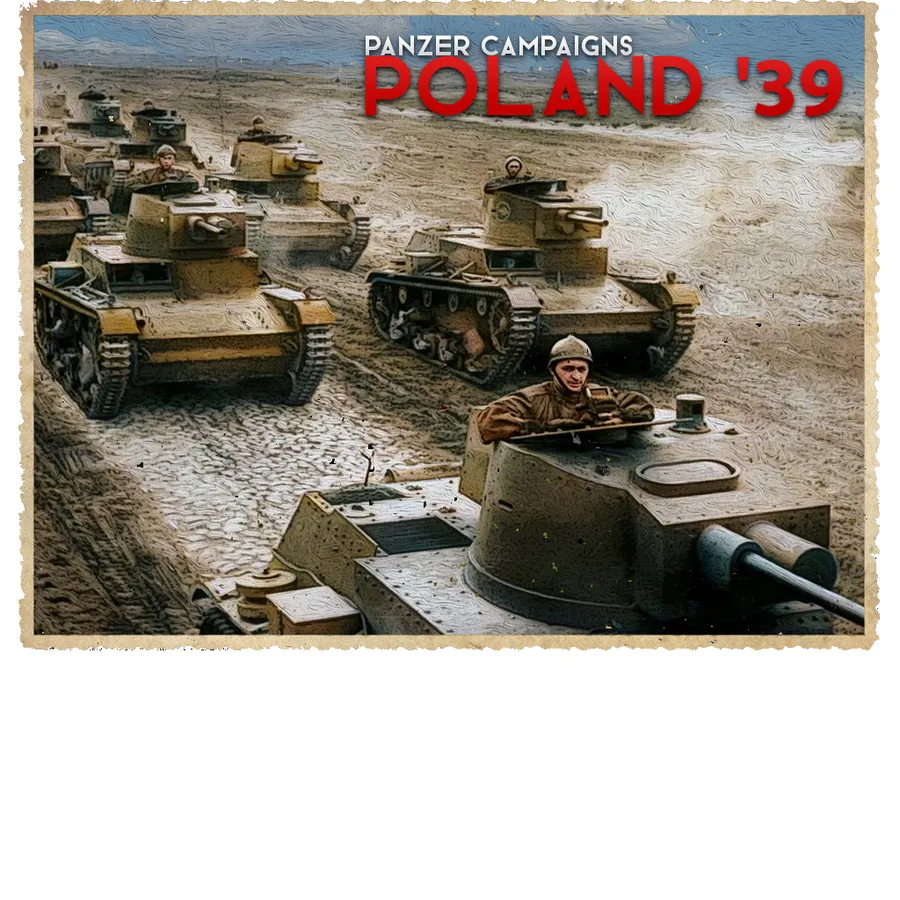
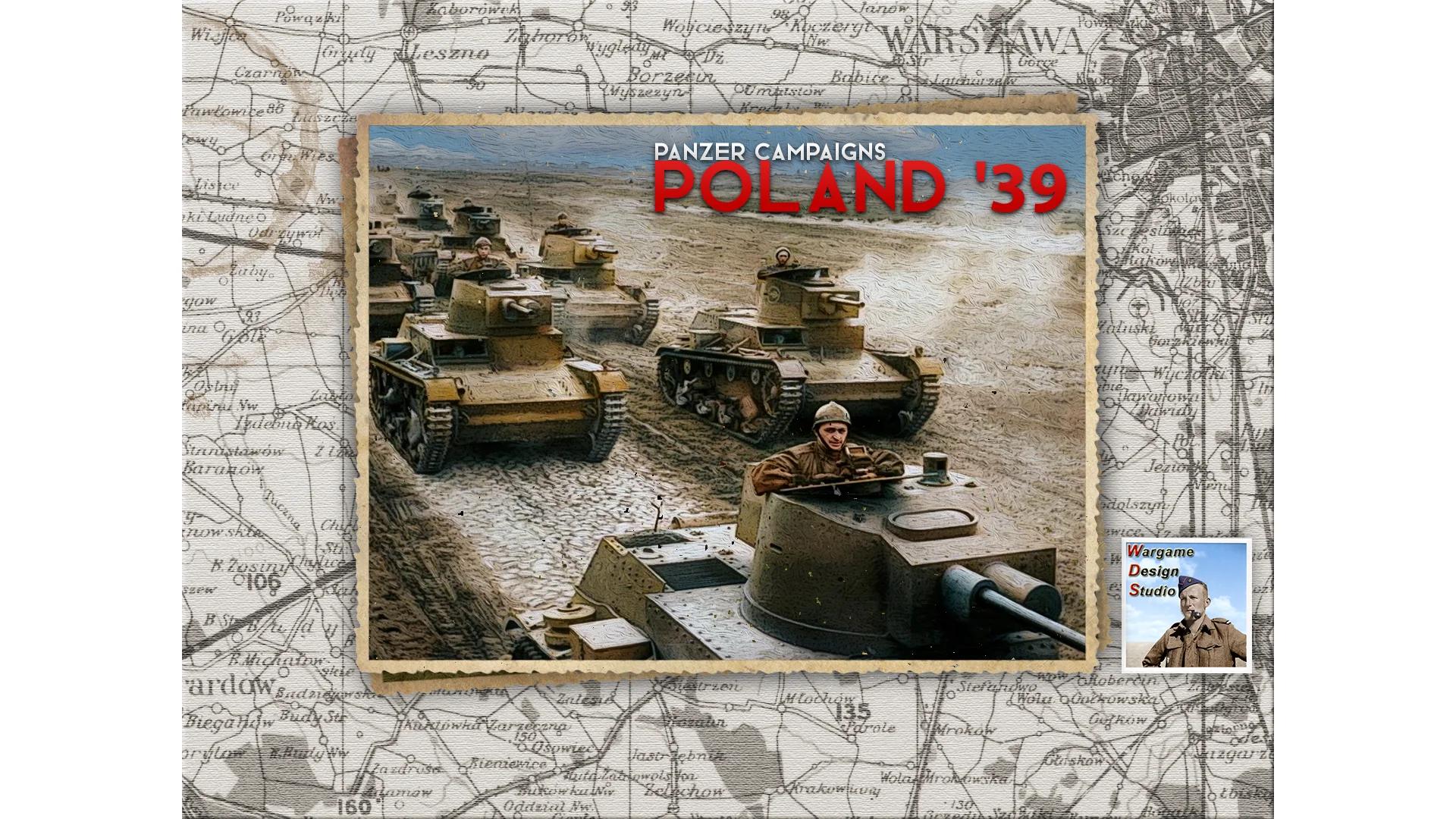
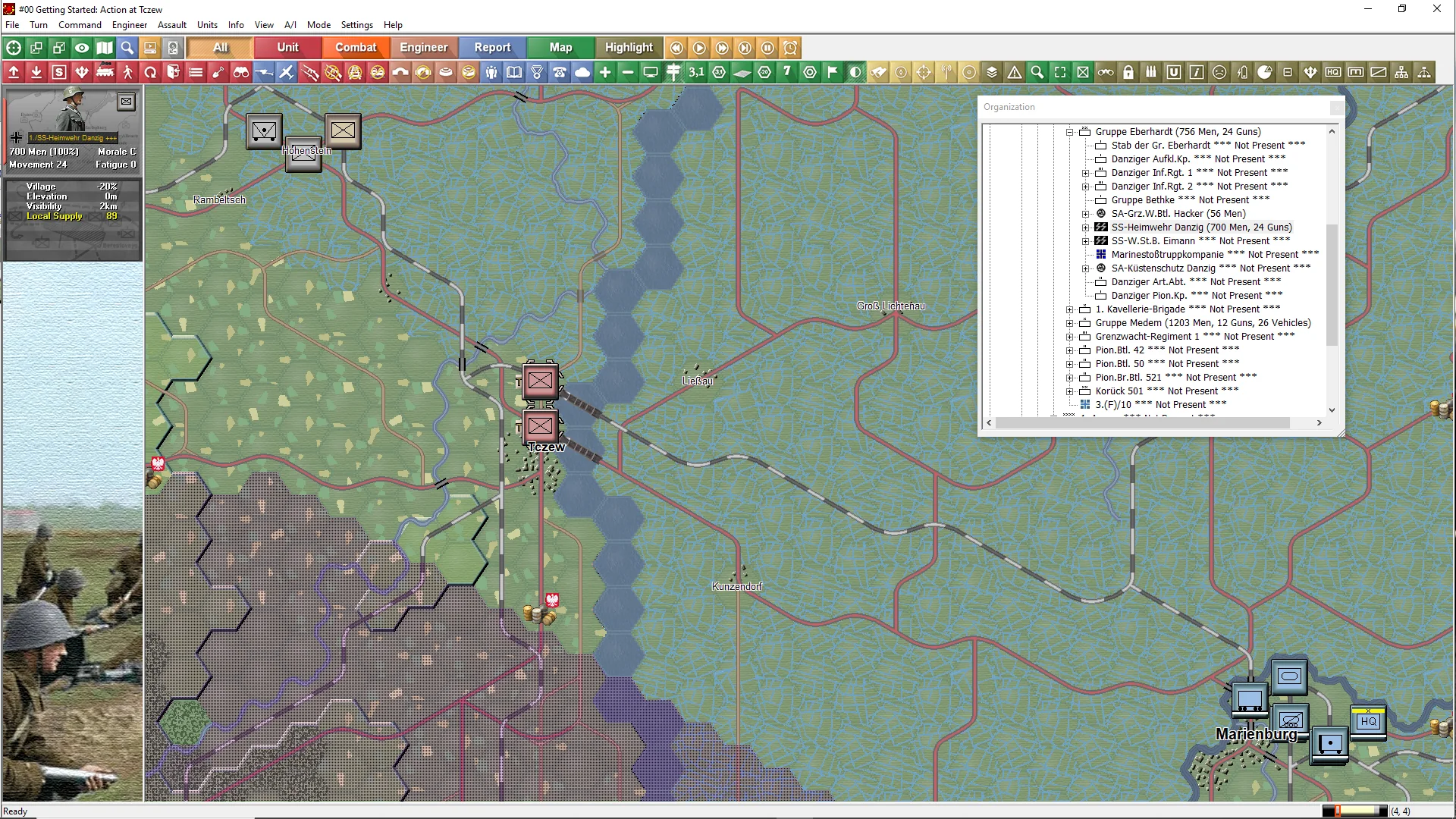
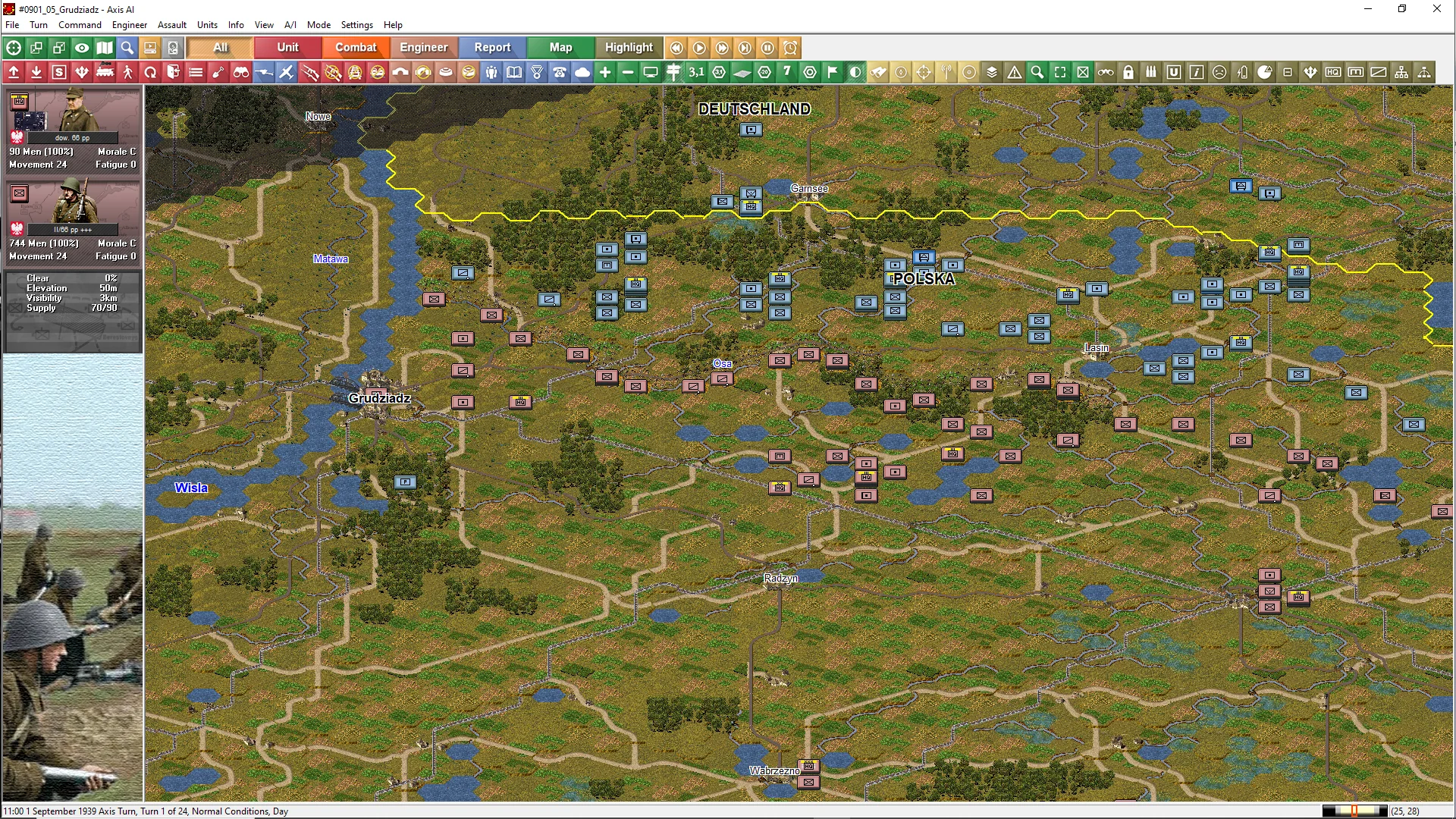
In the early morning hours of September 1st, 1939, 1.5 million German troops and over 2700 tanks stood massed on the Polish border, poised to unleash a new and fearsome type of warfare: Blitzkrieg. At 04:47 on September 1st, the guns of the German battleship Schleswig-Holstein opened fire on the Polish fortress at Westerplatte. Already the Luftwaffe had bombed Tczew and Wielun and German irregulars had seized mines and industrial targets in Silesia. The invasion was underway, and Europe was plunged into a darkness that would last for nearly six years.
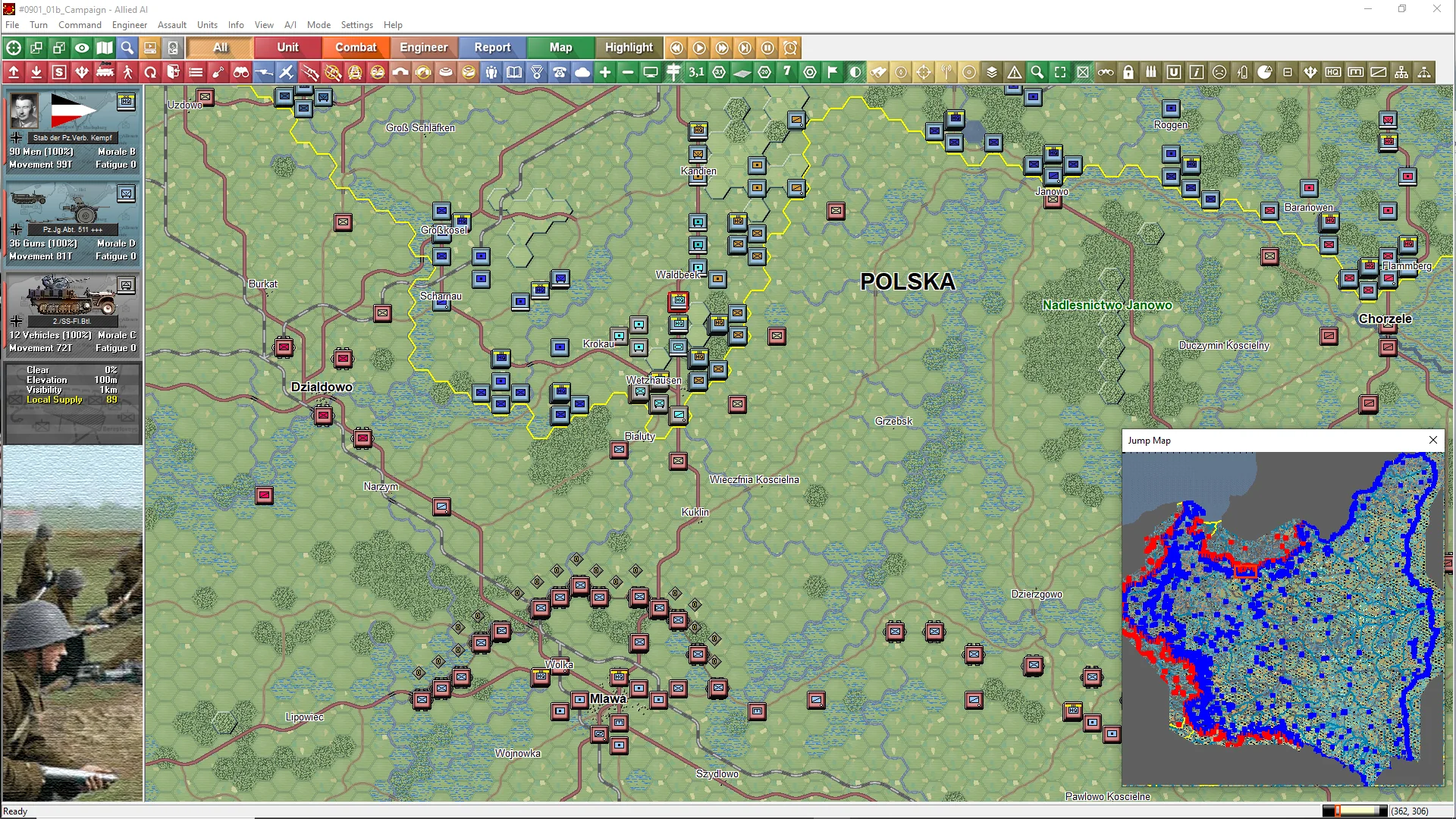
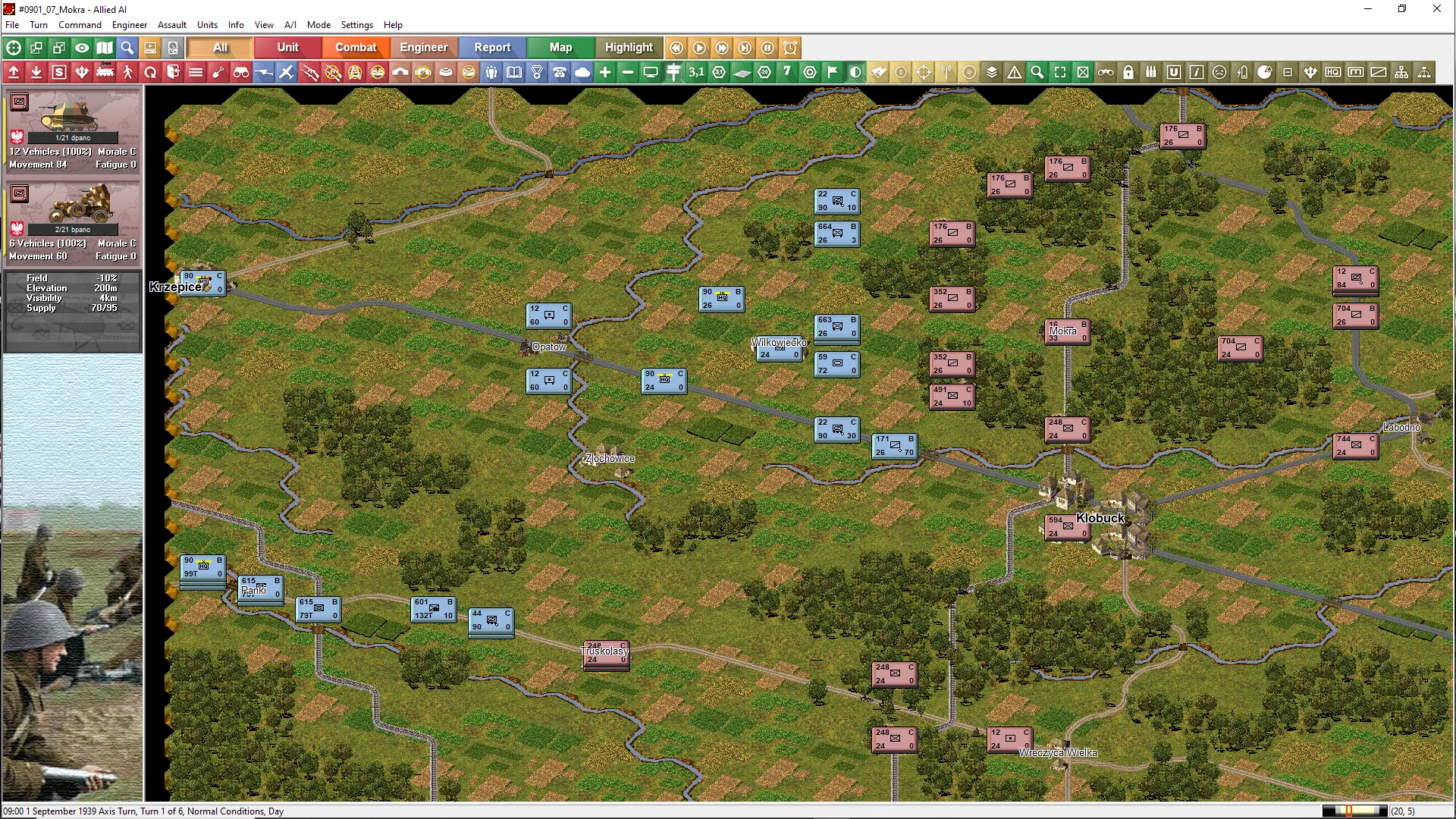
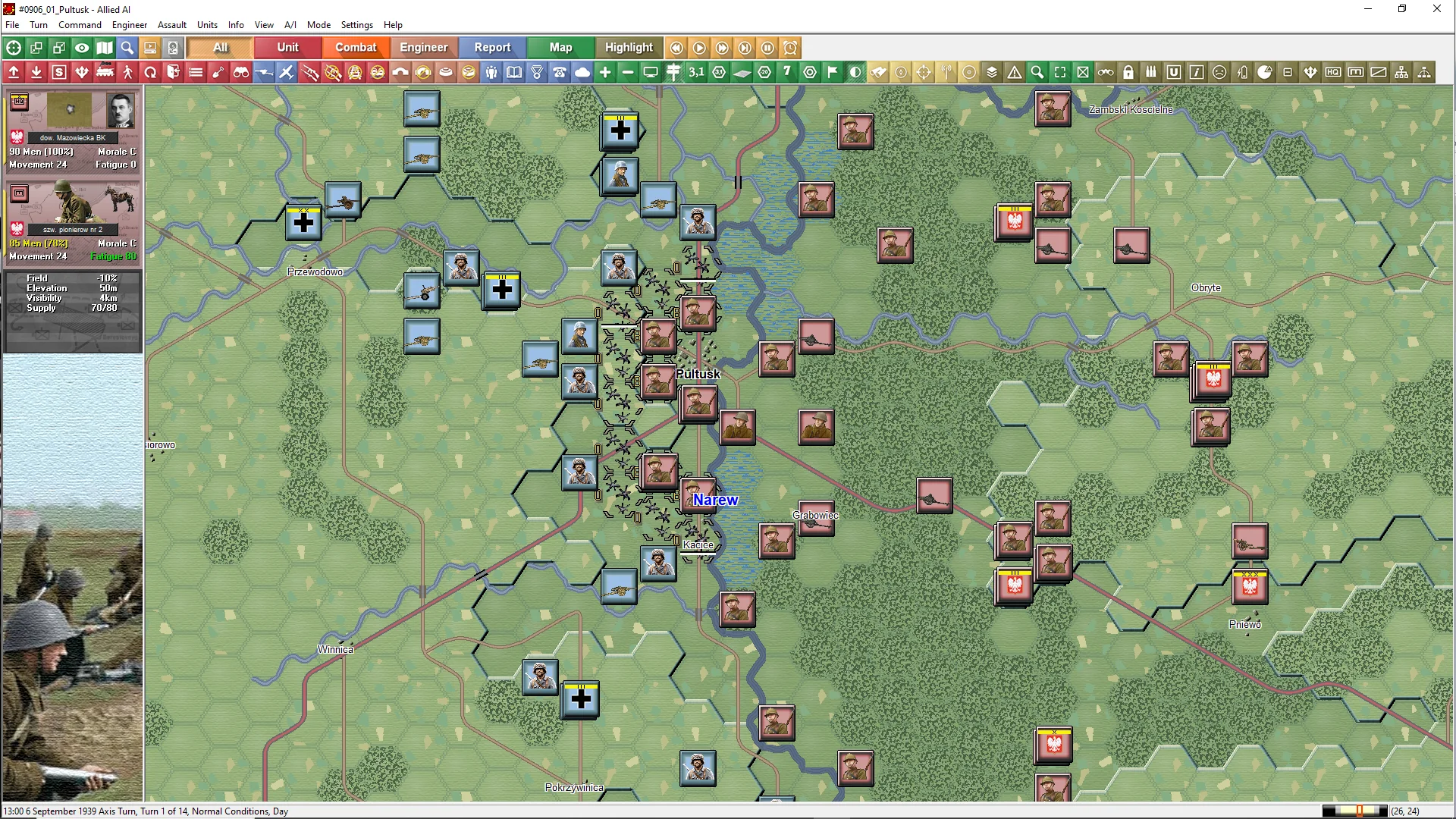
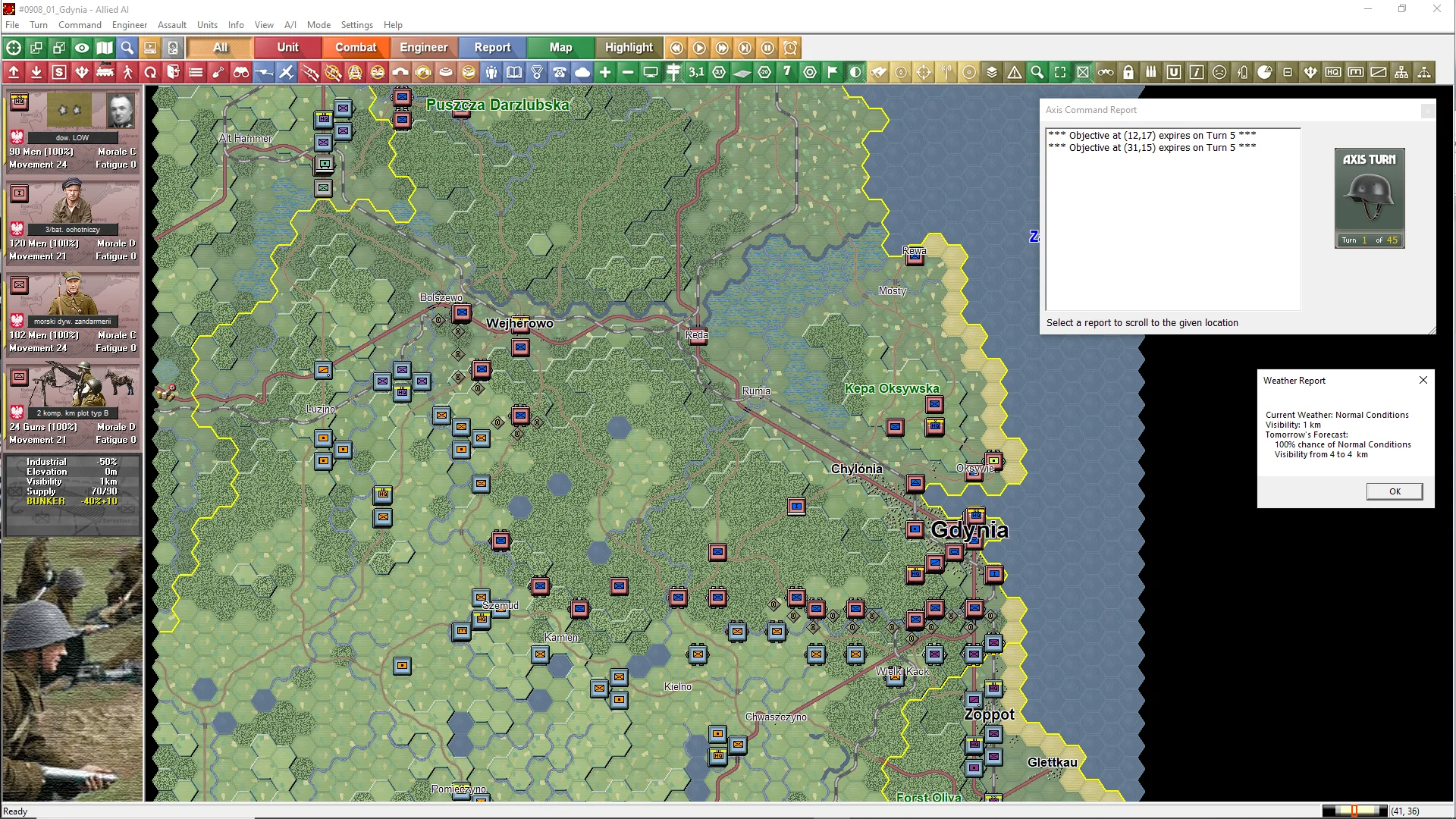
Given the numerical and technical superiority of the Wehrmacht and the threat posed by the Red Army in the East, the Battle of Poland was, perhaps, a lost cause. The border defenses could not be held, the Polish army could not match the operational tempo set by Germans, and Poland had no answer to the Luftwaffe’s relentless bombardment of its cities. Nonetheless, the Polish soldier met the invader with utmost courage and tenacity. Polish infantrymen would turn back the armored onslaught at Mlawa and fight to the last round at Tomaszow Lubelski. Cavalrymen would deliver the Germans a bloody nose at Mokra. The air force, though outnumbered by more than 2:1 and technically outmatched, fought a skilled campaign and continued to make its presence felt deep into the battle. At Gdynia, sailors and civilian volunteers aided the army in a heroic nineteen-day defense. And on the Bzura River, the Polish army wiped out an entire German division in the largest Allied ground offensive prior to 1941. Even after defeat, Polish soldiers would continue the war from abroad where they would be known as "The First to Fight.”
Original: $39.95
-70%$39.95
$11.99Product Information
Product Information
Shipping & Returns
Shipping & Returns
Description
In the early morning hours of September 1st, 1939, 1.5 million German troops and over 2700 tanks stood massed on the Polish border, poised to unleash a new and fearsome type of warfare: Blitzkrieg. At 04:47 on September 1st, the guns of the German battleship Schleswig-Holstein opened fire on the Polish fortress at Westerplatte. Already the Luftwaffe had bombed Tczew and Wielun and German irregulars had seized mines and industrial targets in Silesia. The invasion was underway, and Europe was plunged into a darkness that would last for nearly six years.
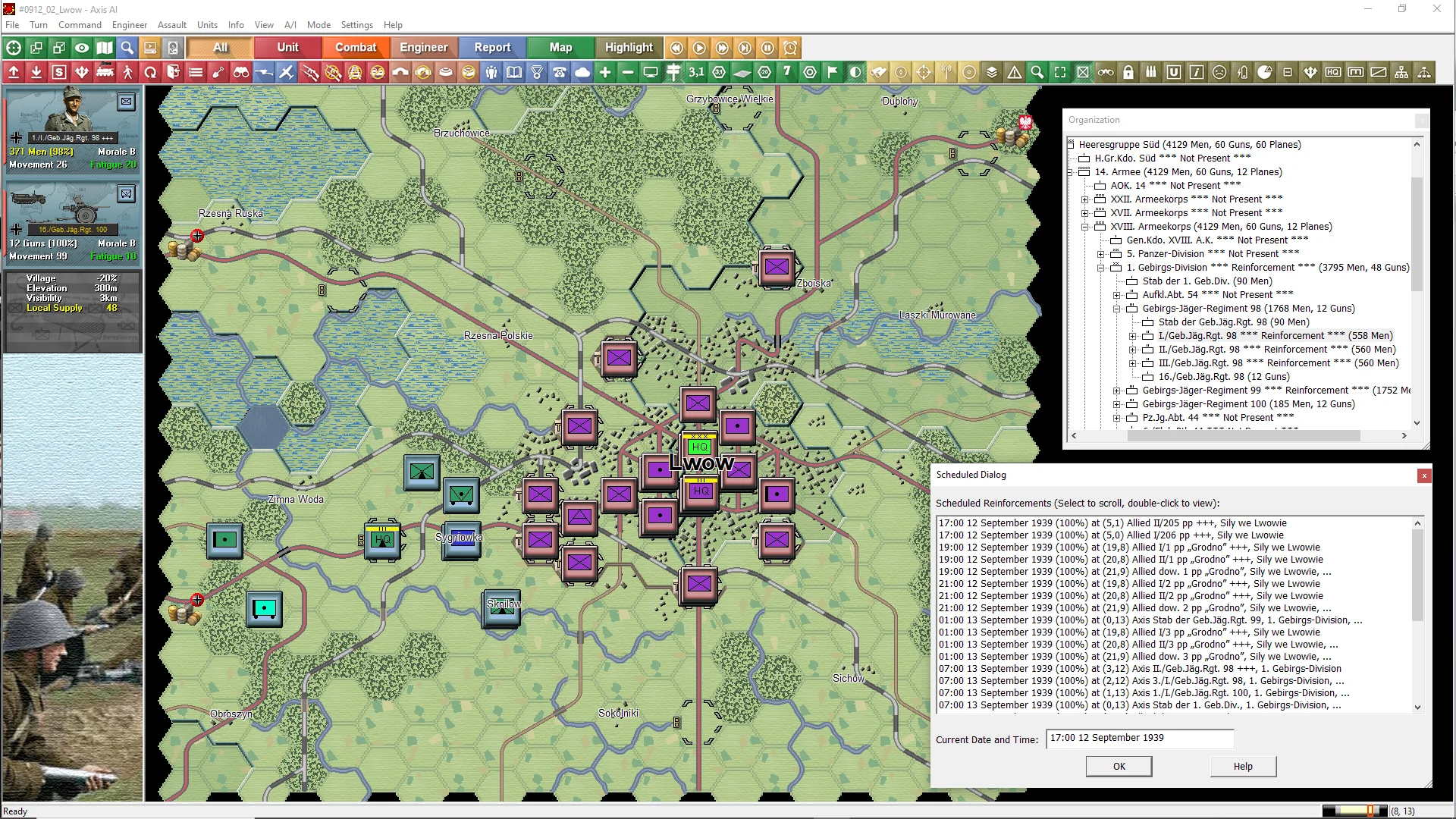
Given the numerical and technical superiority of the Wehrmacht and the threat posed by the Red Army in the East, the Battle of Poland was, perhaps, a lost cause. The border defenses could not be held, the Polish army could not match the operational tempo set by Germans, and Poland had no answer to the Luftwaffe’s relentless bombardment of its cities. Nonetheless, the Polish soldier met the invader with utmost courage and tenacity. Polish infantrymen would turn back the armored onslaught at Mlawa and fight to the last round at Tomaszow Lubelski. Cavalrymen would deliver the Germans a bloody nose at Mokra. The air force, though outnumbered by more than 2:1 and technically outmatched, fought a skilled campaign and continued to make its presence felt deep into the battle. At Gdynia, sailors and civilian volunteers aided the army in a heroic nineteen-day defense. And on the Bzura River, the Polish army wiped out an entire German division in the largest Allied ground offensive prior to 1941. Even after defeat, Polish soldiers would continue the war from abroad where they would be known as "The First to Fight.”