
Thirty Years War
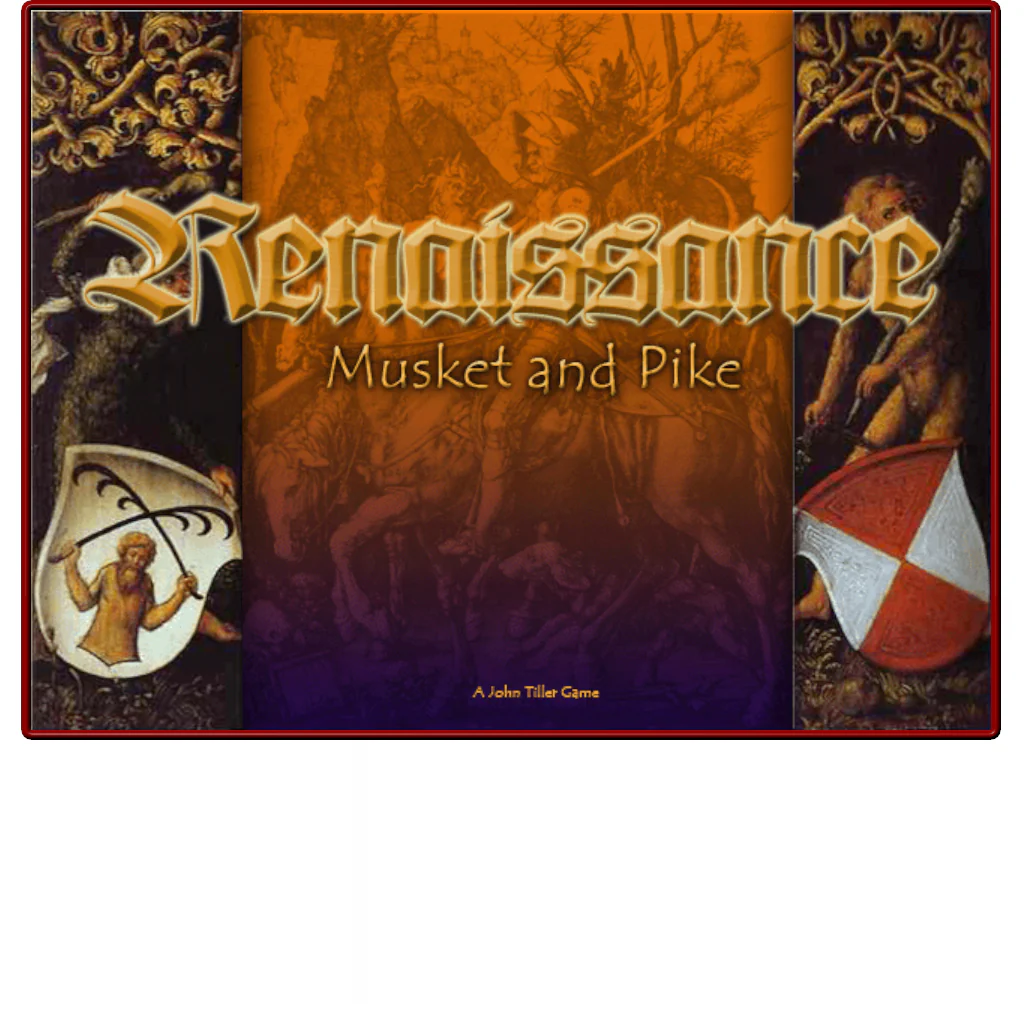
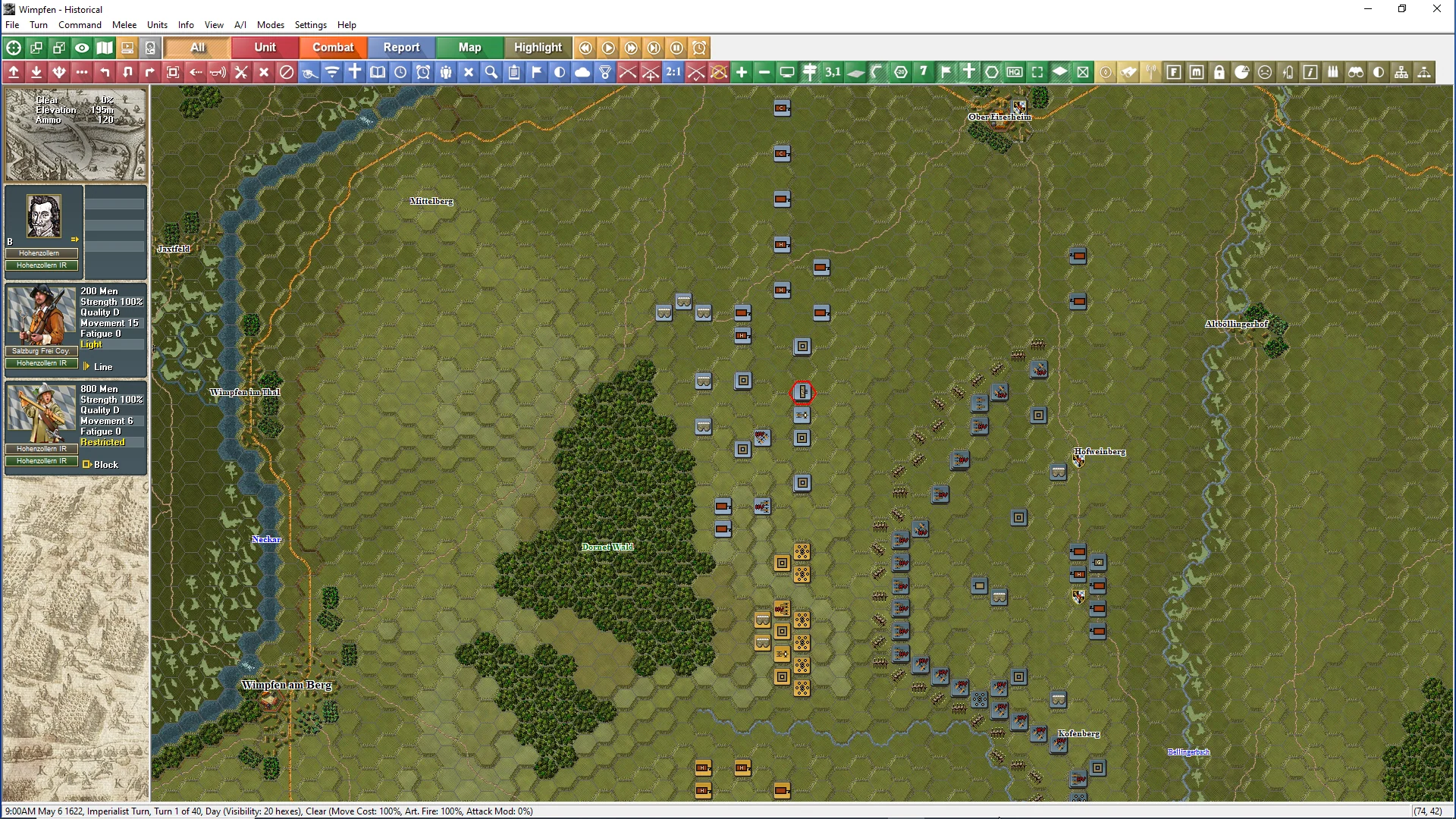
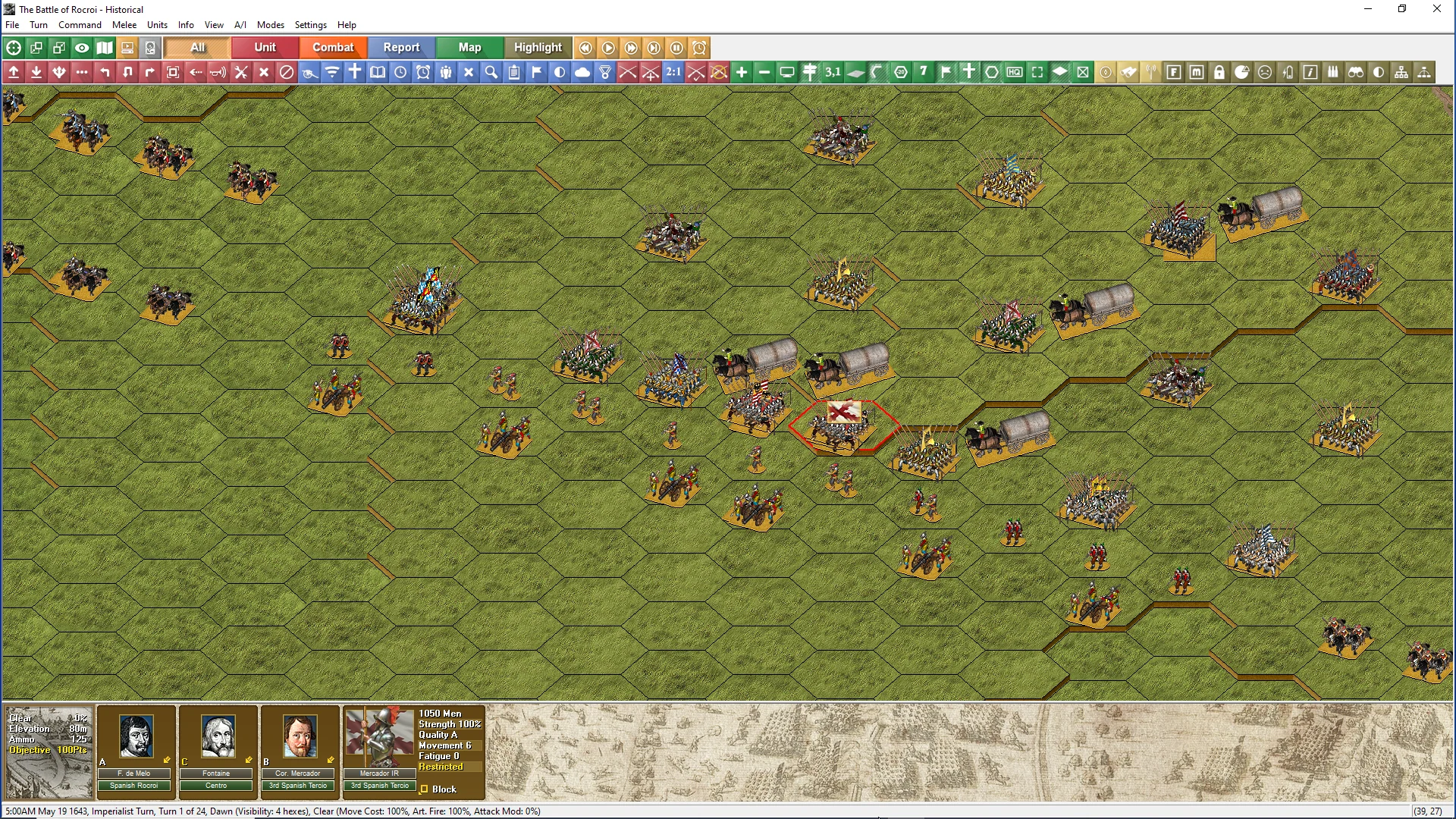
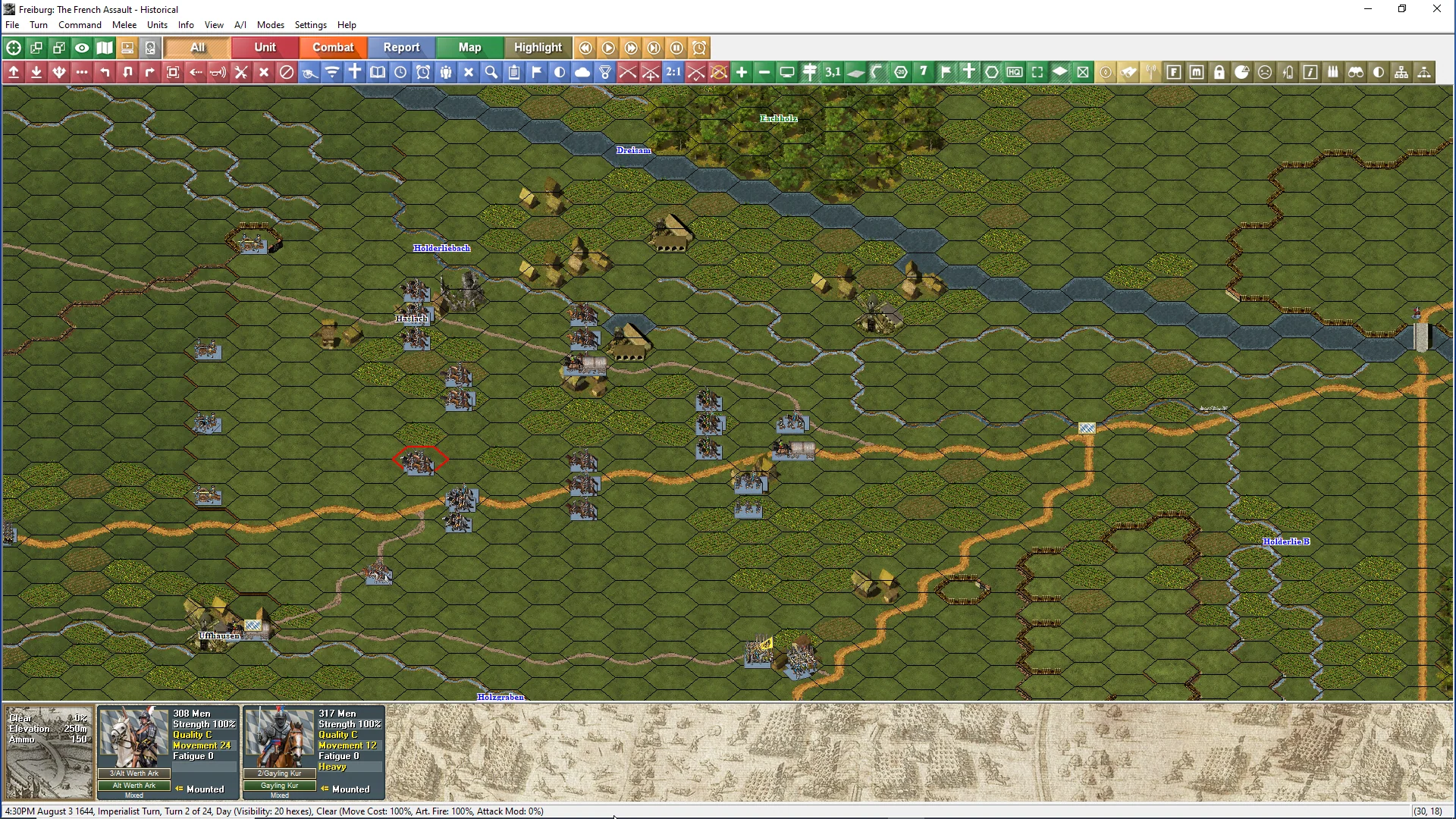
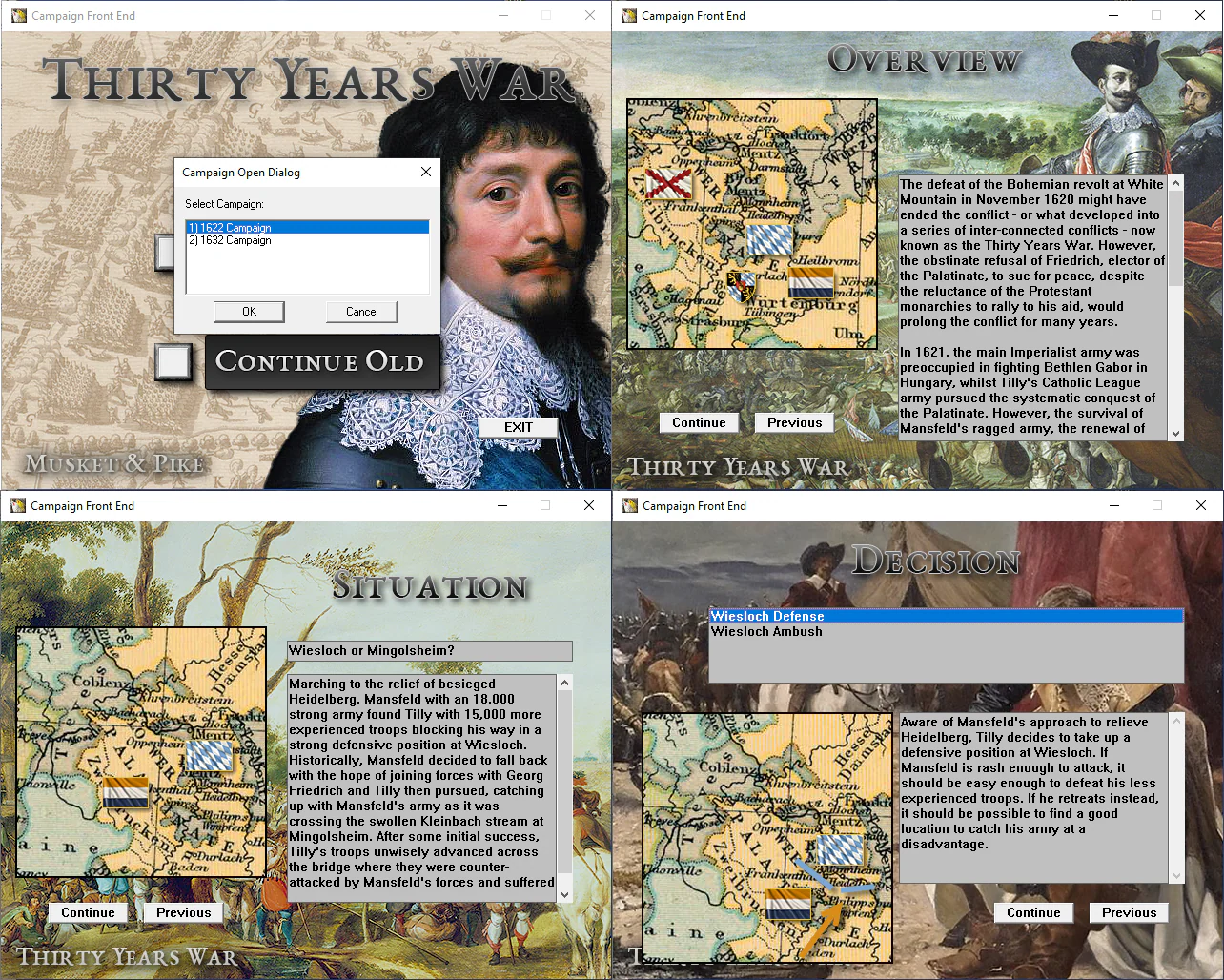
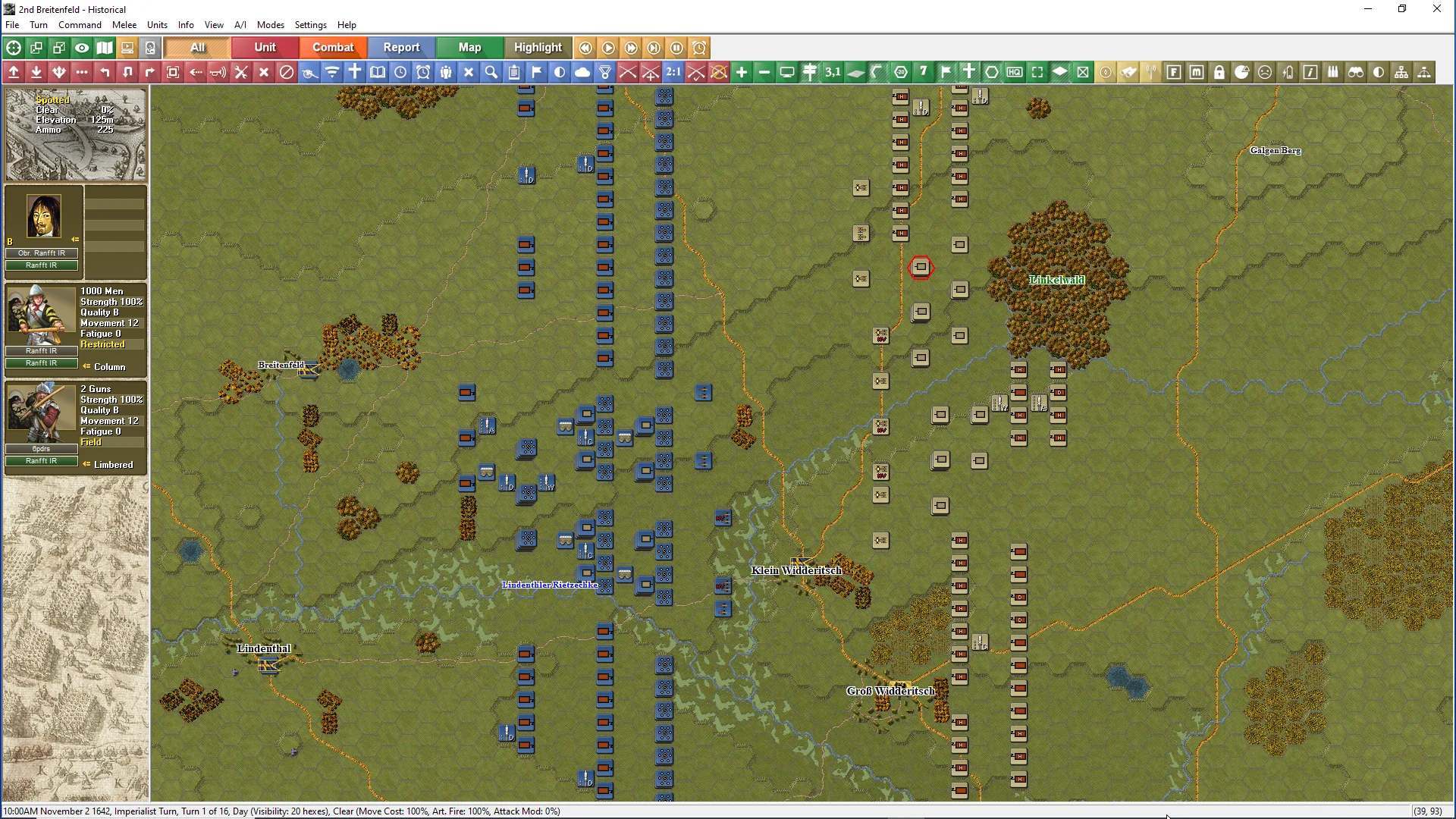
At the start of the 17th Century, Europe was in turmoil. Although largely centered on Germany and, at least initially, considered by many contemporaries to be a religious rather than political conflict, the Thirty Years War was in fact part of a complex series of interlinked conflicts. Some of which, such as the Dutch revolt from Spanish rule and the lengthy military rivalry between France and Spain, had their origins in the previous century. This title will weave in and out of these various conflicts with a focus on the larger battles and more predominant characters such as Tilly, Mansfeld, Gustavus Adolphus and Wallenstein.
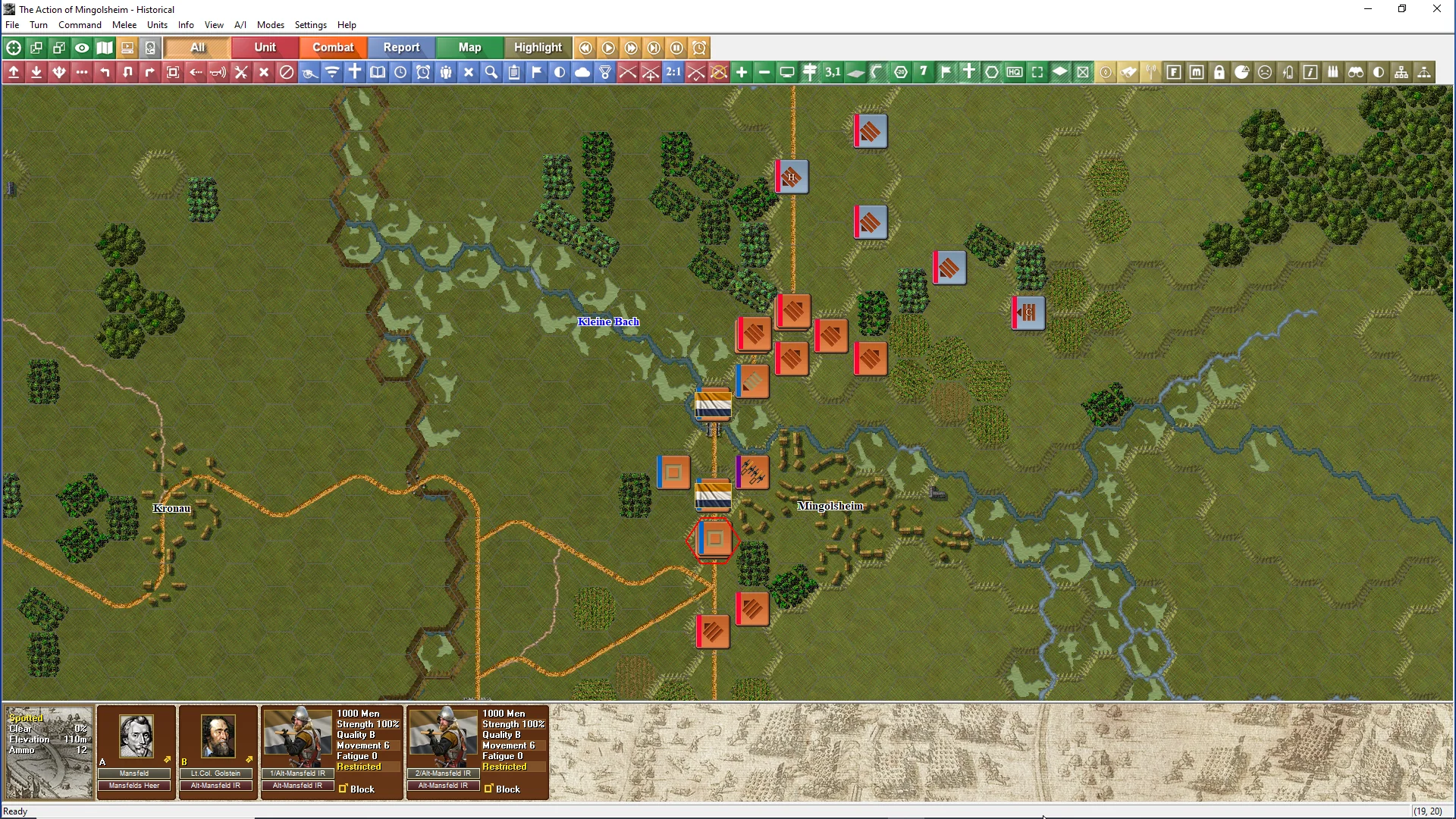
The Bohemian Revolt of 1618 leads the way with initial battles between the Catholic (Imperialist) forces and the mercenary led Protestant (Anti-Imperialist) forces at Sablat and White Mountain. With the failure of the Catholics to completely crush and demoralize the resistance, the Palatinate phase began which would lead to larger battles and stretch through 1623.
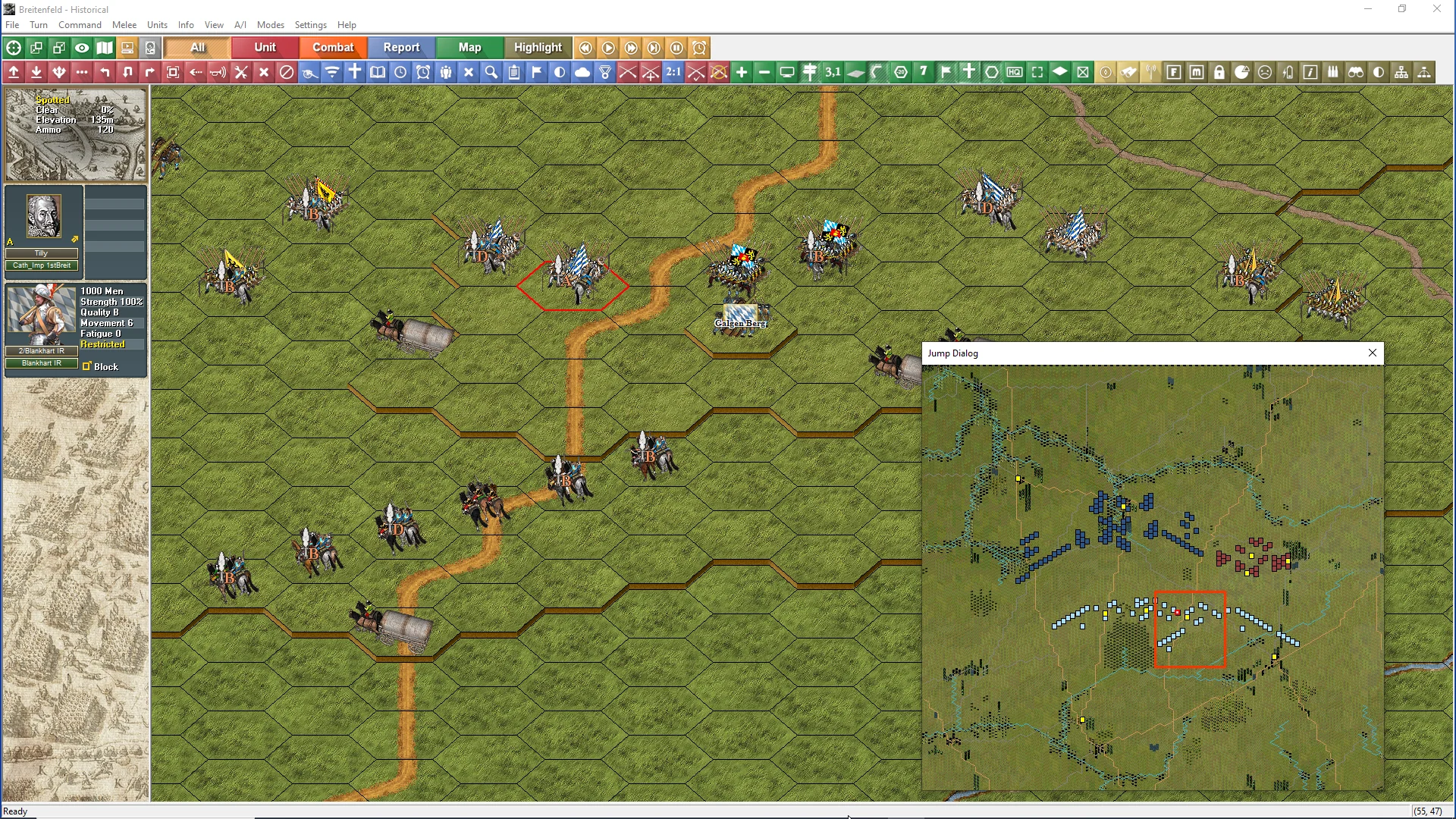
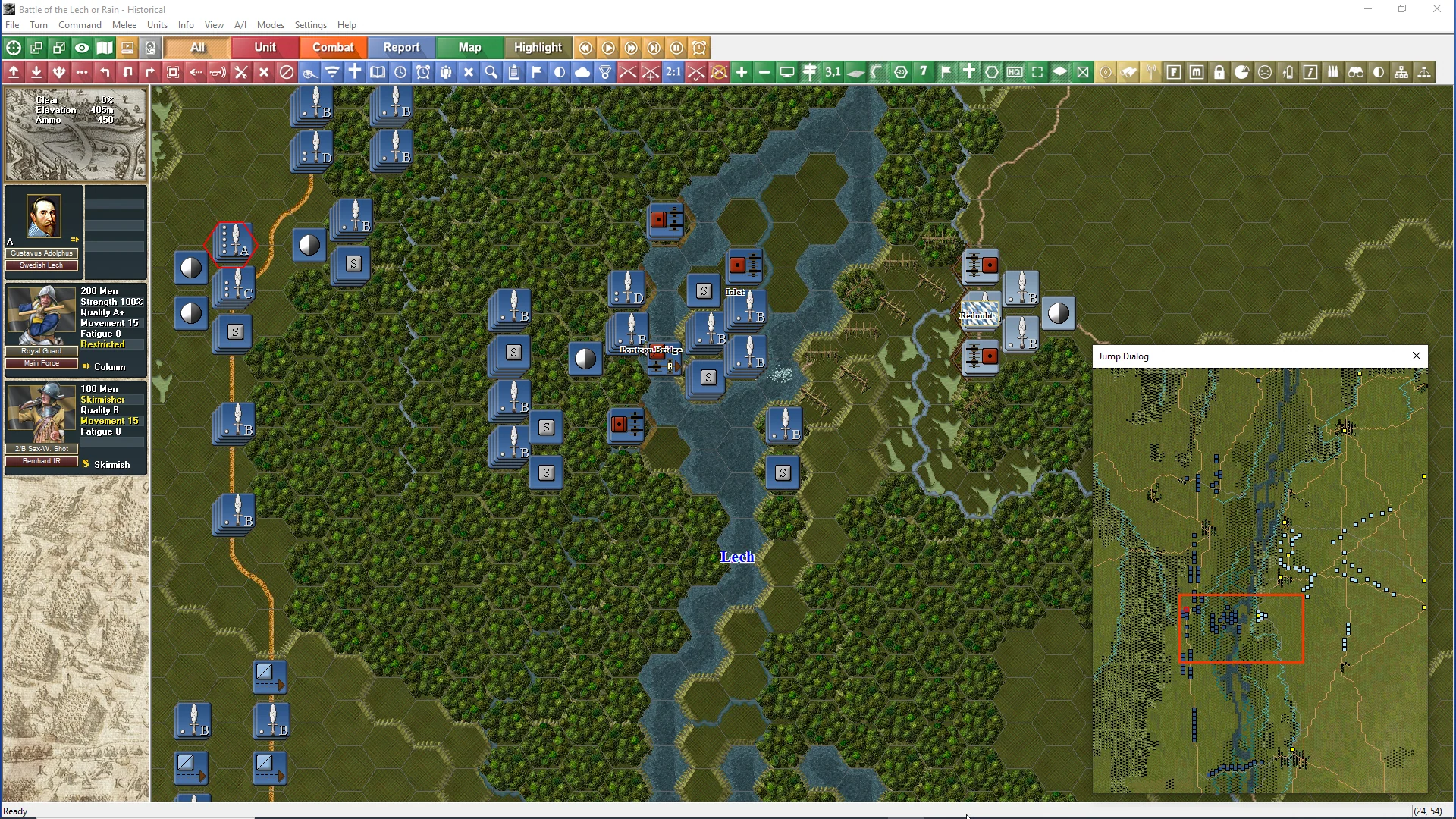
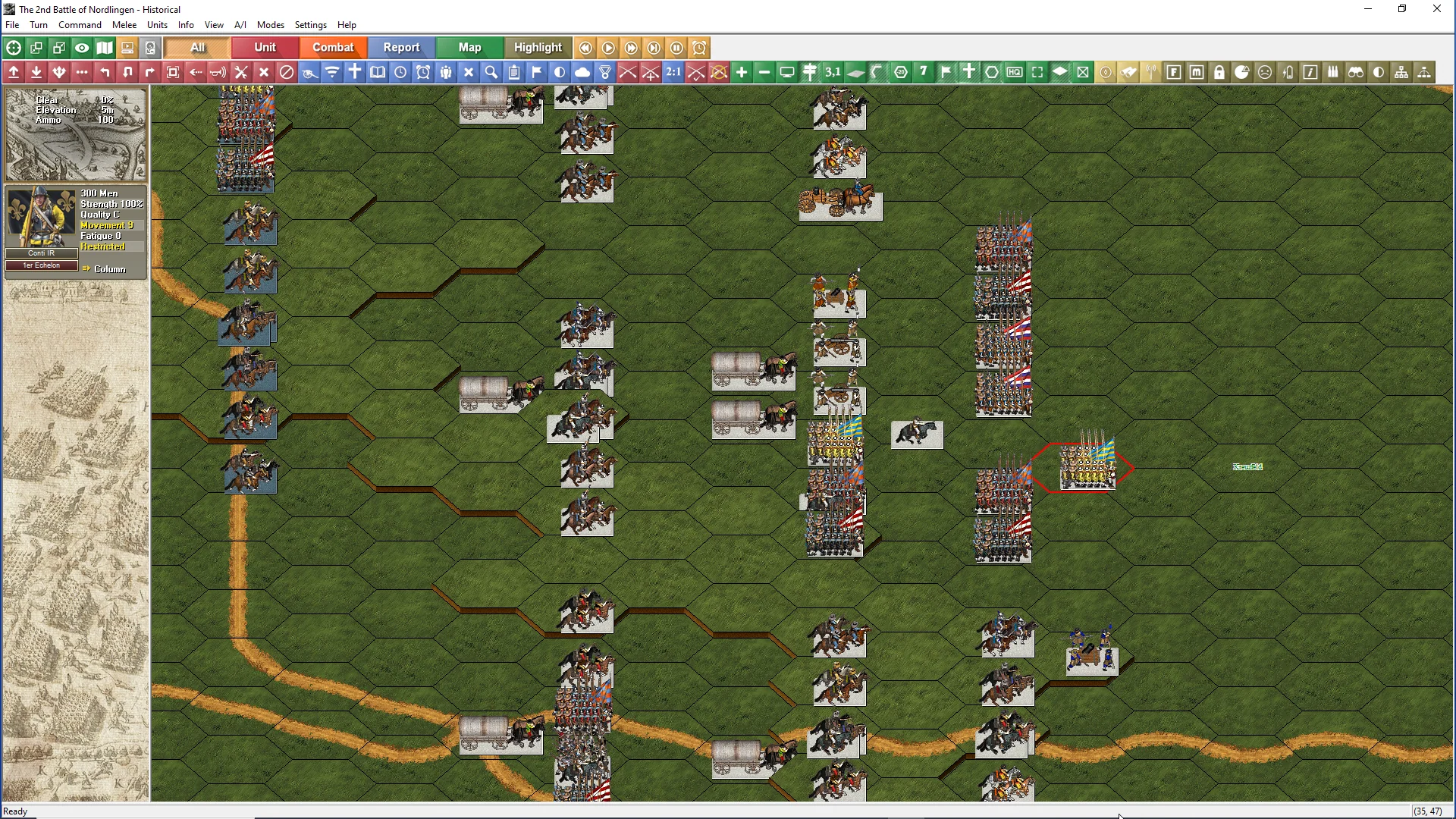
1625-6 would bring in a new phase with the entry of the Danish king Christian IV of Denmark aligning with other Protestant forces to challenge the Hapsburg Empire. Poor performance on the battlefield and loss of major leaders such as Christian of Brunswick emboldened the Hapsburg Emperor Ferdinand II to try and clamp down on the situation in 1629. This would spur the Swedish king, Gustavus Adolphus, to enter the fray on behalf of the Protestant cause. This change would lead to the first defeat of Catholic forces under Tilly in more than a decade, at Breitenfeld in 1631. This would also see much larger actions taking place over the subsequent four years.
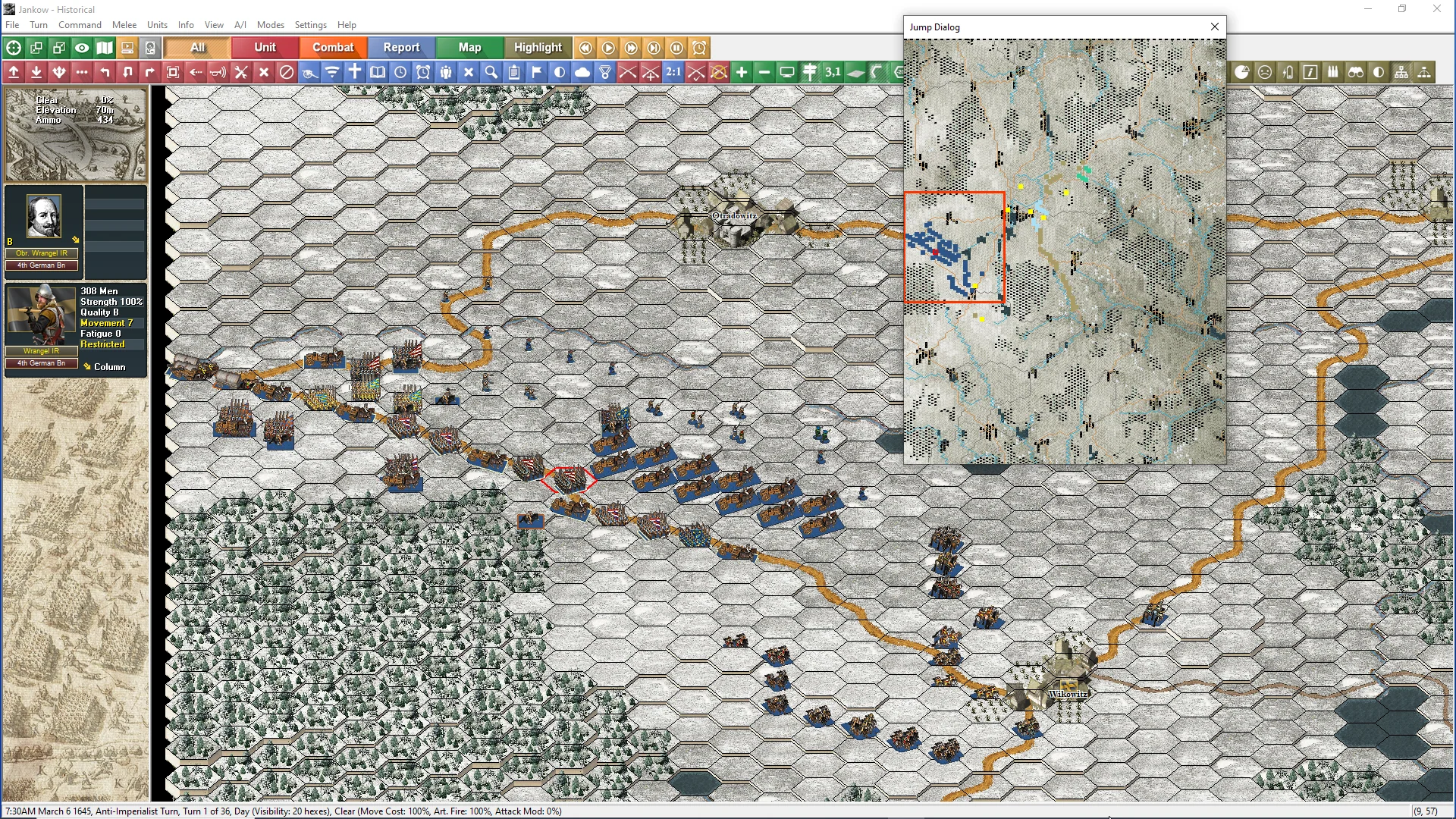
This ebb and flow would continue across the continent with new armies being raised and battles being fought in many areas of the continent. Civilian populations, commerce, and civilization itself would be shaken to the core for most of the region during this time and the effects of this conflict would be felt for generations to come. When the dust began to settle the "Holy Roman Empire" had been weakened beyond repair and the rise of the modern nation-state was solidifying.
Original: $39.95
-70%$39.95
$11.99Product Information
Product Information
Shipping & Returns
Shipping & Returns
Description
At the start of the 17th Century, Europe was in turmoil. Although largely centered on Germany and, at least initially, considered by many contemporaries to be a religious rather than political conflict, the Thirty Years War was in fact part of a complex series of interlinked conflicts. Some of which, such as the Dutch revolt from Spanish rule and the lengthy military rivalry between France and Spain, had their origins in the previous century. This title will weave in and out of these various conflicts with a focus on the larger battles and more predominant characters such as Tilly, Mansfeld, Gustavus Adolphus and Wallenstein.
The Bohemian Revolt of 1618 leads the way with initial battles between the Catholic (Imperialist) forces and the mercenary led Protestant (Anti-Imperialist) forces at Sablat and White Mountain. With the failure of the Catholics to completely crush and demoralize the resistance, the Palatinate phase began which would lead to larger battles and stretch through 1623.
1625-6 would bring in a new phase with the entry of the Danish king Christian IV of Denmark aligning with other Protestant forces to challenge the Hapsburg Empire. Poor performance on the battlefield and loss of major leaders such as Christian of Brunswick emboldened the Hapsburg Emperor Ferdinand II to try and clamp down on the situation in 1629. This would spur the Swedish king, Gustavus Adolphus, to enter the fray on behalf of the Protestant cause. This change would lead to the first defeat of Catholic forces under Tilly in more than a decade, at Breitenfeld in 1631. This would also see much larger actions taking place over the subsequent four years.
This ebb and flow would continue across the continent with new armies being raised and battles being fought in many areas of the continent. Civilian populations, commerce, and civilization itself would be shaken to the core for most of the region during this time and the effects of this conflict would be felt for generations to come. When the dust began to settle the "Holy Roman Empire" had been weakened beyond repair and the rise of the modern nation-state was solidifying.