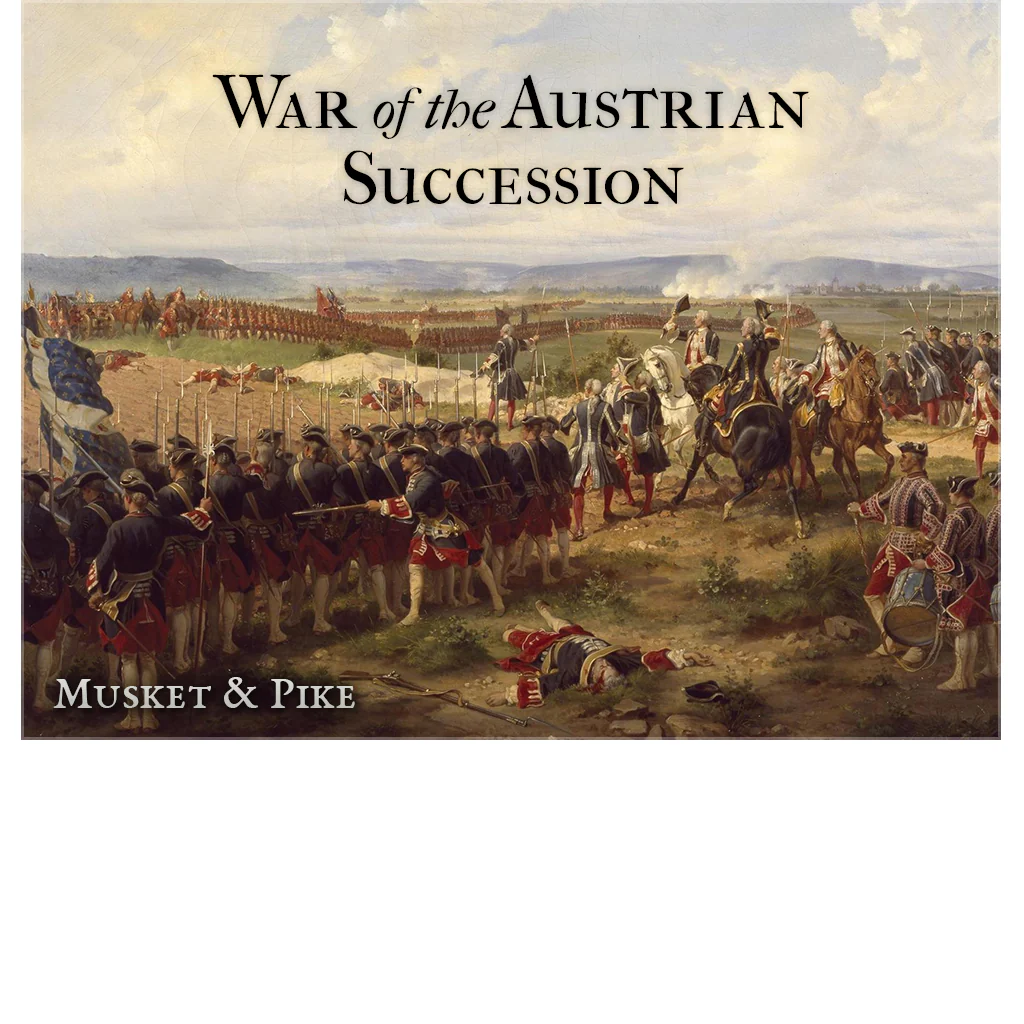
War of the Austrian Succession
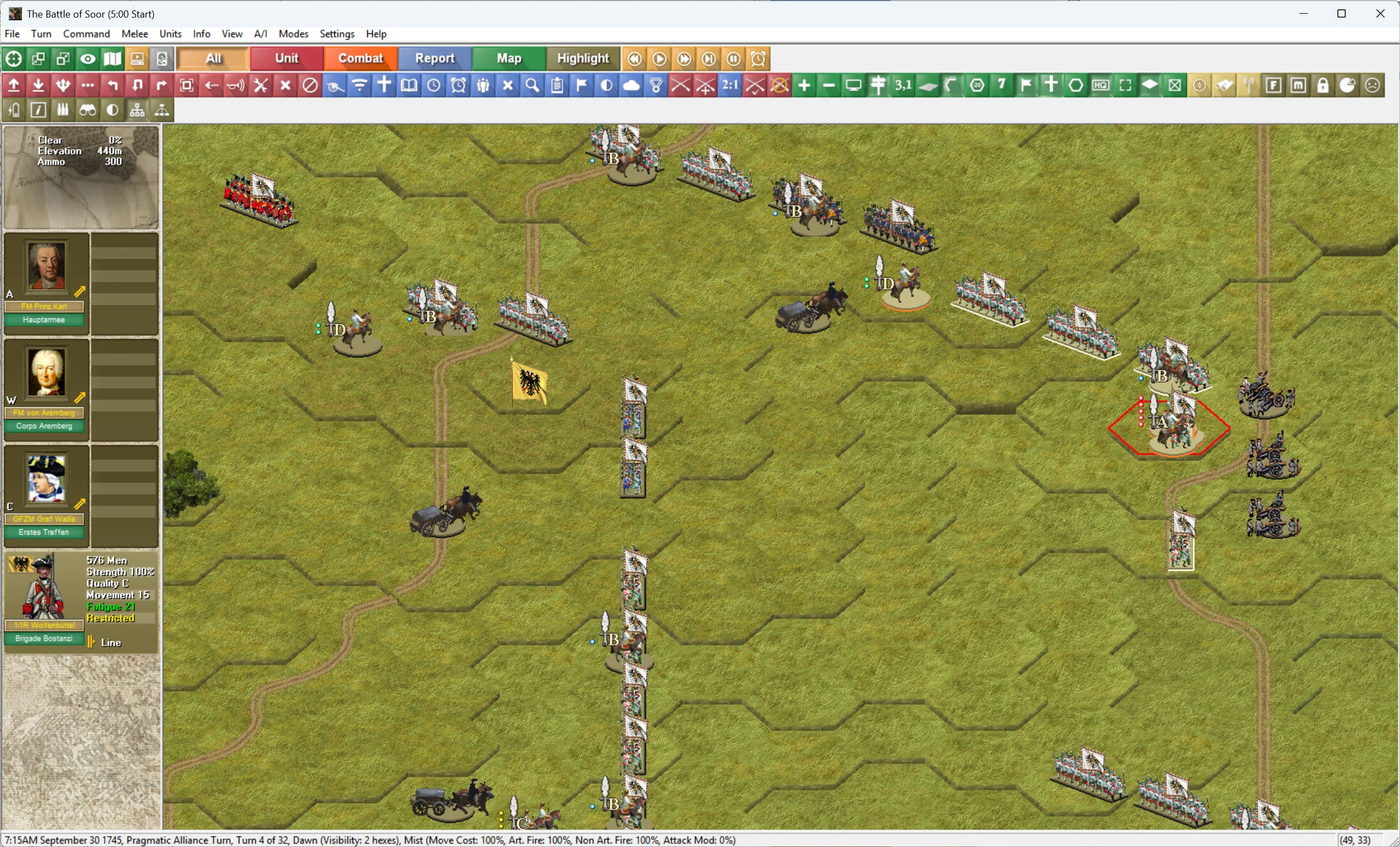
Notwithstanding his careful plans for the eventuality, the death in 1740 of the Holy Roman Emperor Karl VI without a male heir created the pretext for a linked series of conflicts that would end up spanning much of the globe. Through the so-called Pragmatic Sanction, Karl expected to be succeeded in the Habsburg domains by his daughter, Maria-Theresa, and as Emperor by her husband Francis of Lorraine. However, the Elector of Bavaria contested the succession on the basis of his marriage to the late Emperor’s niece. In due course, with French backing, he would – briefly – become Emperor as Karl VII. With such a blatant challenge to Habsburg dominance, war was inevitable.
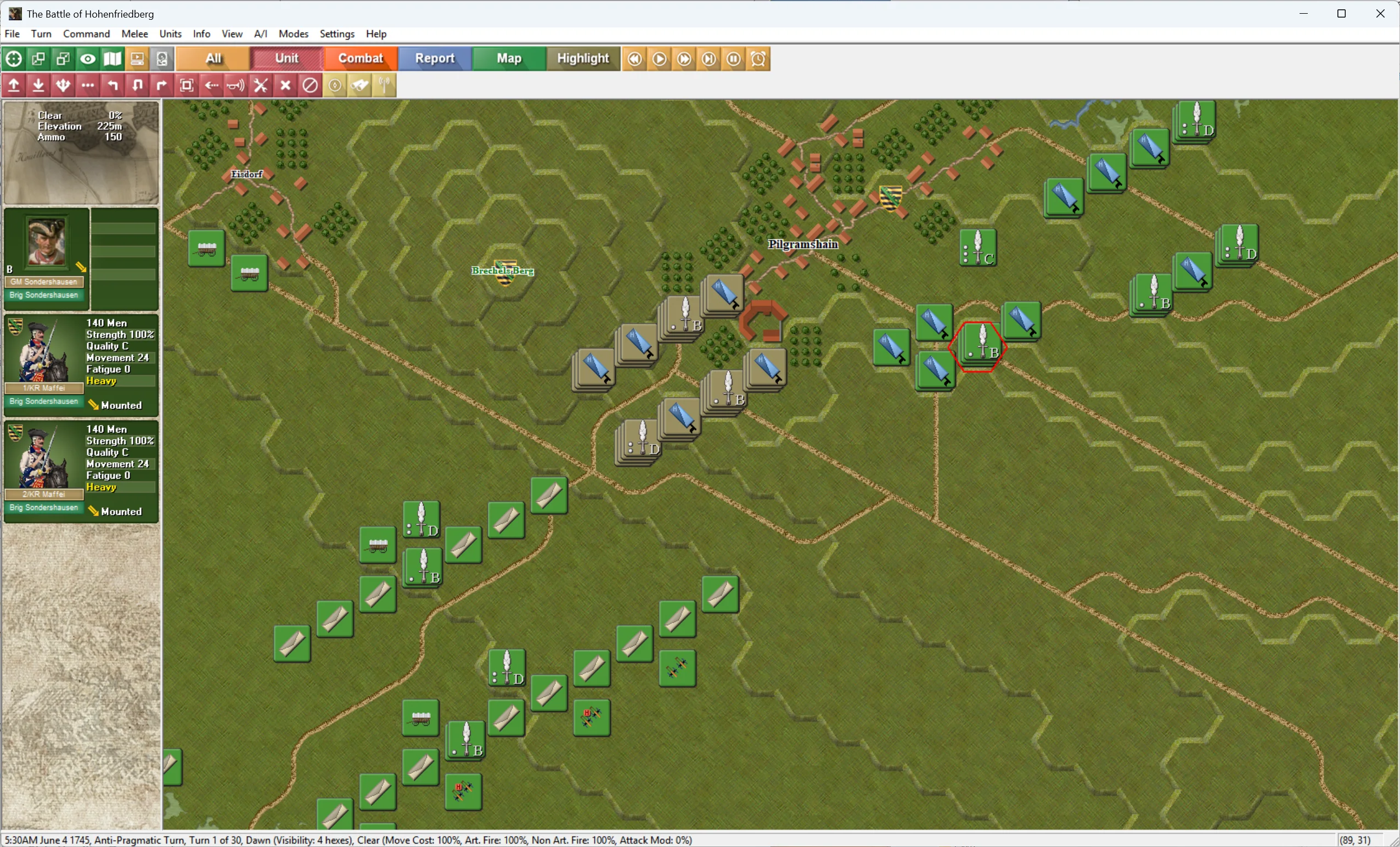
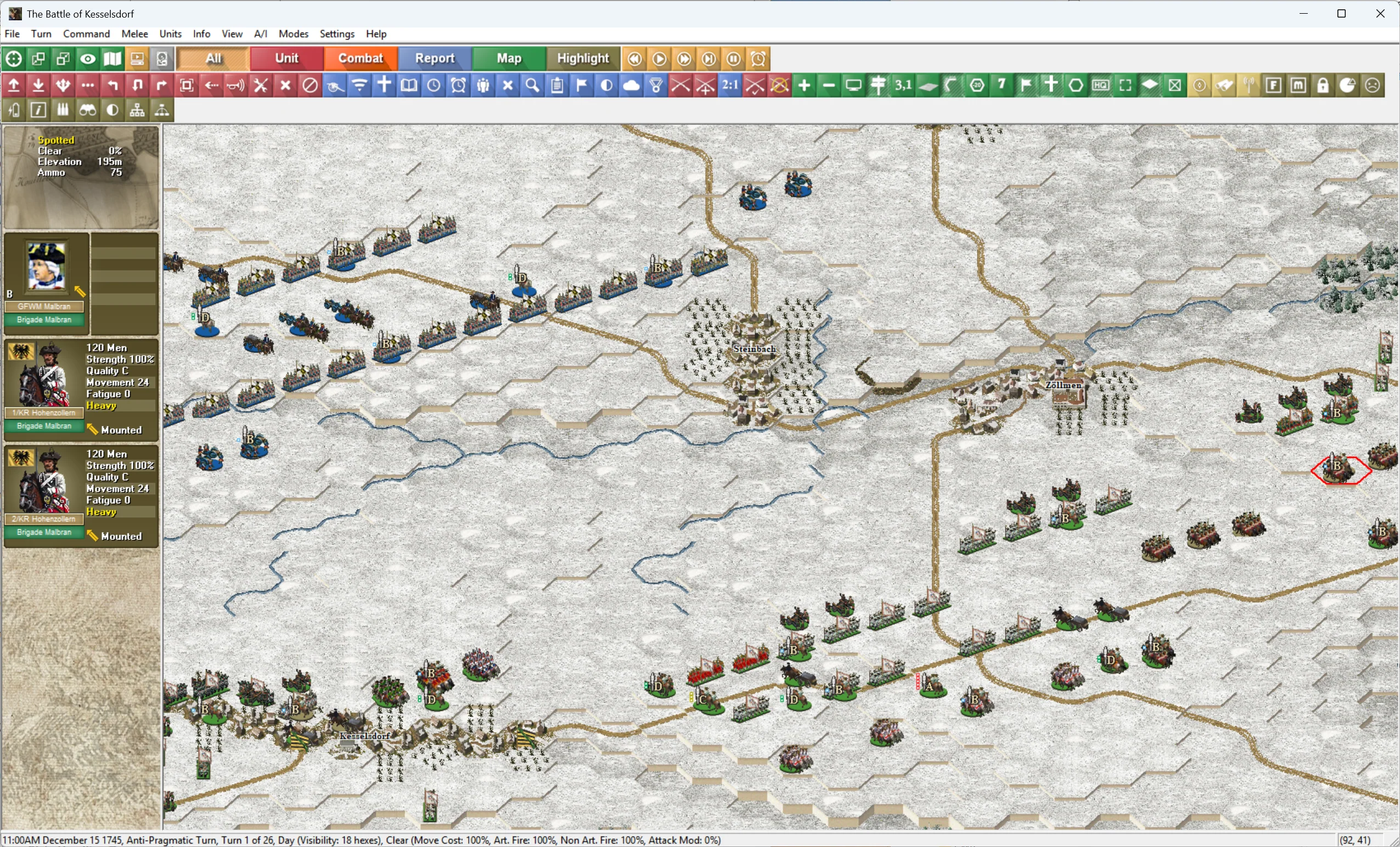
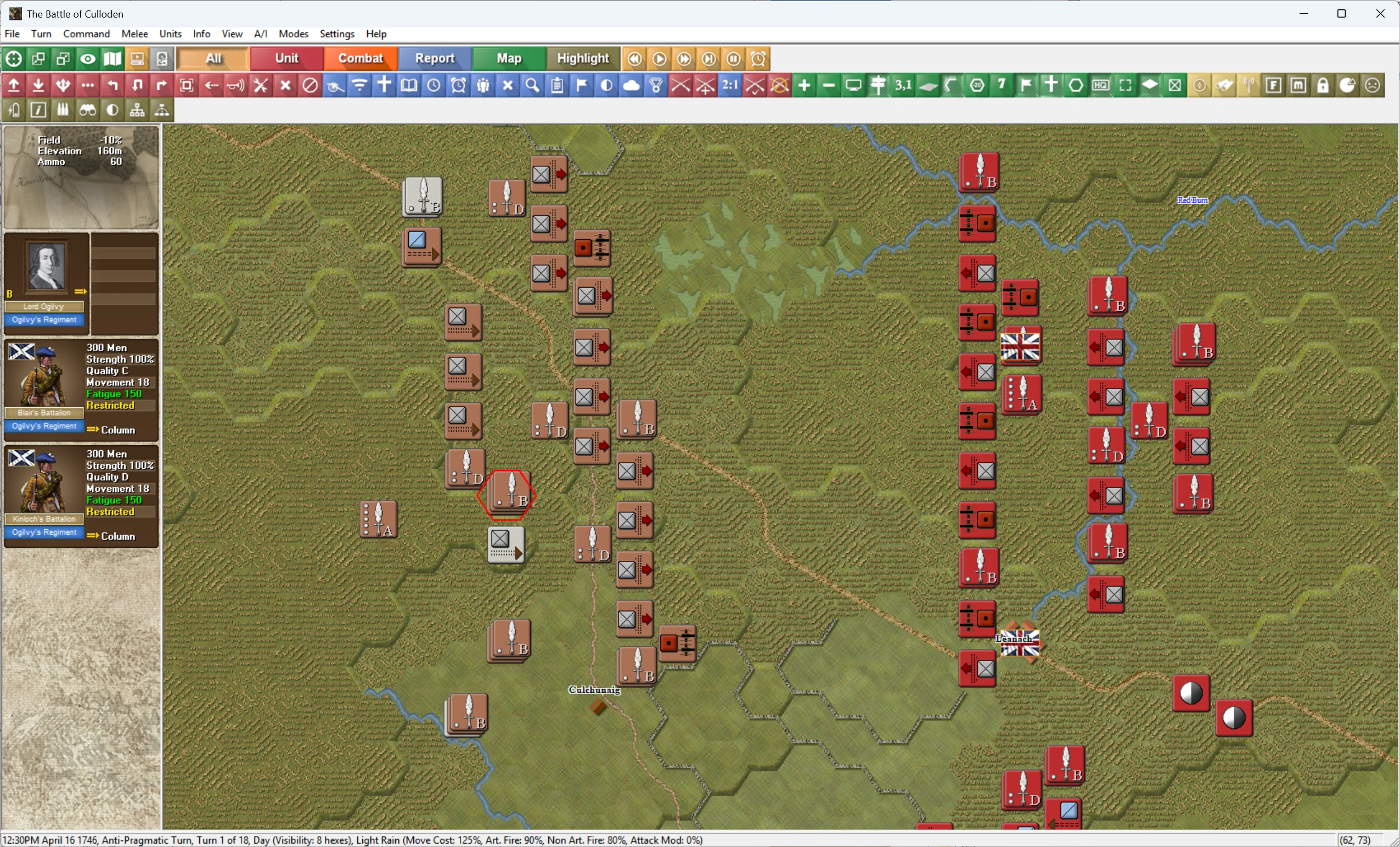
Around Europe, other powers sought to take advantage of the turmoil. In Prussia, the newly-crowned Friedrich II – not yet ‘The Great’, but with definite ambitions – sought to gain the territory of Silesia at Austria’s expense. Bourbon Spain, already embroiled in a colonial war with Britain, sought to expand her position in Italy. The exiled House of Stuart saw a European war as the ideal opportunity to reclaim their lost crown, and with the support of the Bourbon powers would launch the last of the Jacobite Risings. Only after an epic eight-year struggle, and the death of Karl VII, would Maria-Theresa be confirmed in her inheritance – but it would be an inheritance shorn of some of its lands, and in the peace settlement were sown the seeds of the even greater conflict that would break out less than a decade later. In the meantime, Friedrich II would make his name, Maurice de Saxe would give the Bourbon monarchy its last great string of victories, and ‘Bonnie Prince Charlie’ would bring his rag-tag Highland Army to within 130 miles of London before going down to defeat at Culloden.
Original: $39.95
-70%$39.95
$11.99Product Information
Product Information
Shipping & Returns
Shipping & Returns
Description
Notwithstanding his careful plans for the eventuality, the death in 1740 of the Holy Roman Emperor Karl VI without a male heir created the pretext for a linked series of conflicts that would end up spanning much of the globe. Through the so-called Pragmatic Sanction, Karl expected to be succeeded in the Habsburg domains by his daughter, Maria-Theresa, and as Emperor by her husband Francis of Lorraine. However, the Elector of Bavaria contested the succession on the basis of his marriage to the late Emperor’s niece. In due course, with French backing, he would – briefly – become Emperor as Karl VII. With such a blatant challenge to Habsburg dominance, war was inevitable.
Around Europe, other powers sought to take advantage of the turmoil. In Prussia, the newly-crowned Friedrich II – not yet ‘The Great’, but with definite ambitions – sought to gain the territory of Silesia at Austria’s expense. Bourbon Spain, already embroiled in a colonial war with Britain, sought to expand her position in Italy. The exiled House of Stuart saw a European war as the ideal opportunity to reclaim their lost crown, and with the support of the Bourbon powers would launch the last of the Jacobite Risings. Only after an epic eight-year struggle, and the death of Karl VII, would Maria-Theresa be confirmed in her inheritance – but it would be an inheritance shorn of some of its lands, and in the peace settlement were sown the seeds of the even greater conflict that would break out less than a decade later. In the meantime, Friedrich II would make his name, Maurice de Saxe would give the Bourbon monarchy its last great string of victories, and ‘Bonnie Prince Charlie’ would bring his rag-tag Highland Army to within 130 miles of London before going down to defeat at Culloden.